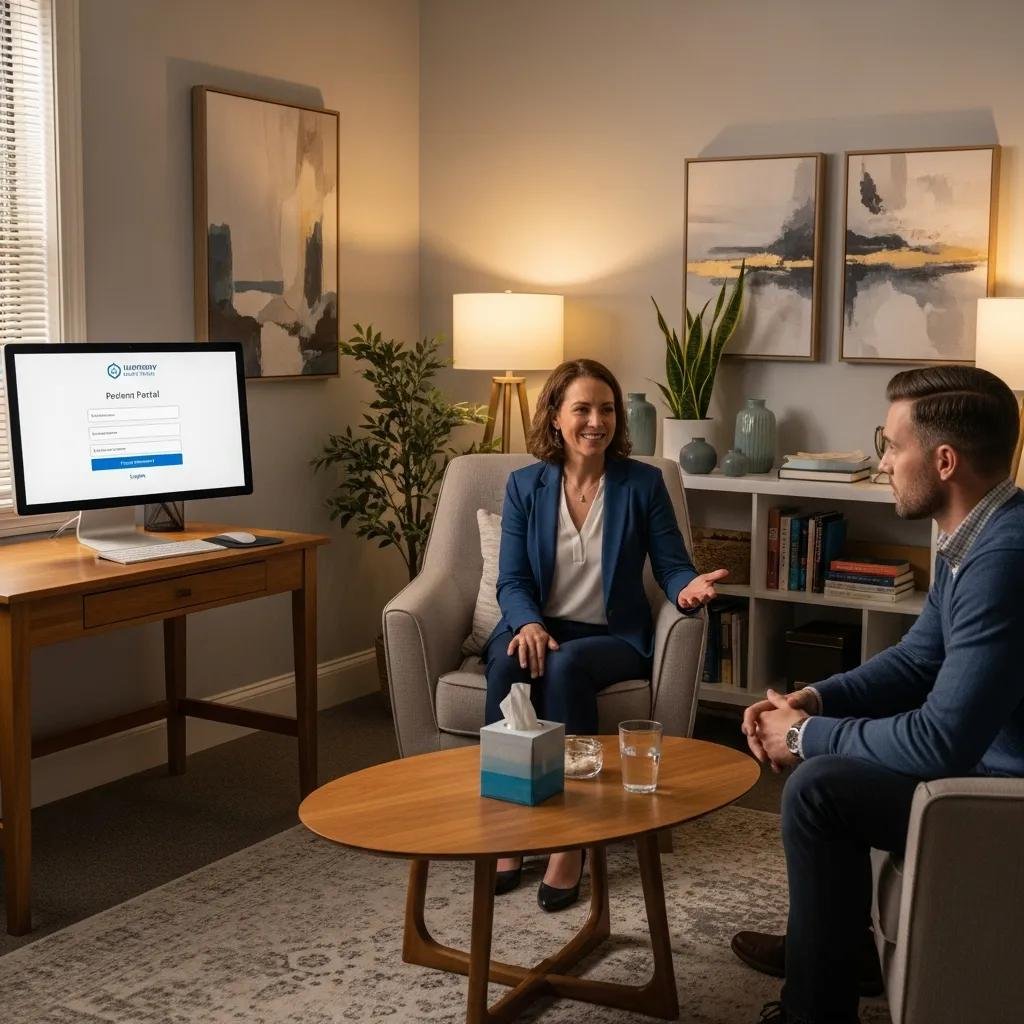
Build Brand Consistency for Therapists’ Online Identity
Branding for Therapists: Building a Cohesive Online Identity to Attract Ideal Clients
In the competitive landscape of therapy practices, establishing a strong online identity is crucial for attracting and retaining clients. This article delves into the essential elements of branding for therapists, emphasizing how a cohesive online presence can enhance trust and credibility. Readers will learn about the key components of effective therapist branding, the role of website design, and the importance of SEO strategies tailored for the therapy sector. Many therapists struggle with creating a recognizable brand that resonates with their target audience. By understanding the principles of branding and implementing strategic design and marketing techniques, therapists can significantly improve their visibility and client engagement. This guide will cover the importance of online identity, key branding elements, inspiring website design examples, effective SEO strategies, HIPAA compliance in design, and tips for choosing the right website design service.
This challenge highlights a common gap in therapists’ training, underscoring the need for practical knowledge in marketing and branding.
Marketing & Branding for Psychotherapy Practices
The process of marketing and branding outpatient psychotherapy services is not generally covered in clinical training programs, leading to a gap in practical knowledge upon departure from higher education. Effective marketing and branding of services allows for clinicians to work with populations they are most well suited to serve, and potentially allows clients to expedite the process of finding a therapeutic match.
Marketing and branding for counseling interns and residents in private practice, 2020
Why Is a Strong Online Identity Essential for Therapists?

A strong online identity is vital for therapists as it establishes trust and credibility with potential clients. In an era where clients often search for services online, having a well-defined brand can significantly influence their decision-making process. A cohesive online presence not only enhances client connection but also supports the growth of a private practice.
How Does Branding Build Trust and Credibility in Therapy Practices?
Branding builds trust and credibility by presenting a professional image that resonates with clients. Elements such as a well-designed logo, consistent messaging, and a clear value proposition convey professionalism and reliability. For instance, therapists who utilize cohesive branding are more likely to be perceived as knowledgeable and trustworthy, which is essential in the mental health field where clients seek reassurance and support.
This emphasis on professionalism and reliability is critical, especially when considering how individuals evaluate the vast amount of health information available online.
Building Trust & Credibility in Online Health Information
Hence, given the wide range of different sources of Web-based health information (WHI) from different organizations and individuals, it is important to understand how information seekers evaluate and select the sources that they use, and more specifically, how they assess their credibility and trustworthiness.
Trust and credibility in web-based health information: a review and agenda for future research, L Sbaffi, 2017
What Role Does Online Presence Play in Private Practice Growth?
An effective online presence plays a crucial role in the growth of private practices. Studies show that a large percentage of clients search for therapists online before making a decision. A well-optimized website that reflects the therapist’s brand can attract more visitors, leading to increased inquiries and appointments. Successful online strategies, such as engaging content and active social media presence, further enhance visibility and client engagement.
What Are the Key Elements of Effective Therapist Branding?
Effective therapist branding encompasses several key elements that work together to create a cohesive identity. These elements include logo design, color palette selection, and consistent messaging, all of which contribute to brand recognition and client trust.
How Do Logo, Color Palette, and Messaging Create Brand Consistency?
A well-designed logo, a thoughtfully chosen color palette, and clear messaging are fundamental to creating brand consistency. The logo serves as the visual representation of the therapist’s practice, while the color palette evokes specific emotions and associations. Consistent messaging reinforces the brand’s values and mission, ensuring that clients receive a unified experience across all platforms.
Why Is Website Design Central to Your Therapy Brand?
Website design is central to a therapy brand as it serves as the primary touchpoint for potential clients. A user-friendly, aesthetically pleasing website enhances the user experience, making it easier for clients to navigate and find information. Key design elements, such as intuitive layouts and responsive design, reflect the therapist’s professionalism and commitment to client care.
How Can Therapist Website Design Examples Inspire Your Brand Identity?
Examining successful therapist website design examples can provide valuable insights into effective branding strategies. These examples showcase diverse styles and layouts that resonate with different client demographics, offering inspiration for therapists looking to enhance their online presence.
What Website Styles and Layouts Best Reflect Therapy Practices?
Website styles that reflect therapy practices often prioritize simplicity and clarity. Clean layouts with ample white space, calming color schemes, and easy navigation create a welcoming environment for visitors. Examples of effective designs include those that feature personal branding elements, such as professional photographs and testimonials, which help establish a connection with potential clients.
How Do Interactive Features Enhance Client Engagement on Therapy Websites?
Interactive features, such as appointment scheduling tools and chatbots, significantly enhance client engagement on therapy websites. These features provide immediate assistance and streamline the booking process, making it easier for clients to connect with therapists. Case studies show that websites incorporating interactive elements experience higher conversion rates, as they cater to the needs of tech-savvy clients seeking convenience.
What SEO Strategies Boost Visibility for Therapist Branding?

Implementing effective SEO strategies is essential for boosting visibility and attracting clients to therapy practices. By optimizing their online presence, therapists can improve their search engine rankings and reach a broader audience.
Indeed, the significance of search engine optimization in healthcare cannot be overstated, as it directly impacts how patients find and access crucial services.
Healthcare SEO: Optimizing Search for Therapy Services
Search engine optimization (SEO) has become paramount in healthcare industries, which helps patients enhance and understand their health status based on their records. In the context of healthcare, it is more significant to improve search results from specific keywords related to clinical conditions, treatments, and healthcare services.
Graph Convolutional Networks for SEO: A Comprehensive Framework for Healthcare Information Ranking, P RR, 2025
How Does Semantic SEO Improve Therapist Website Rankings?
Semantic SEO focuses on understanding user intent and context, which can significantly improve website rankings. By incorporating relevant keywords and phrases naturally into content, therapists can enhance their visibility in search results. This approach not only attracts more visitors but also ensures that the content resonates with the target audience, leading to higher engagement rates.
What Are Best Practices for Therapy Website SEO in 2024?
As SEO practices evolve, therapists must stay updated on the latest trends to maintain their online visibility. Best practices for therapy website SEO in 2024 include optimizing for voice search, utilizing local SEO strategies, and creating high-quality, informative content that addresses client needs. Regularly updating website content and leveraging social media platforms can also enhance search engine rankings.
How to Ensure HIPAA-Compliant Website Design Supports Your Brand?
Ensuring that a therapy website is HIPAA-compliant is crucial for protecting client information and maintaining trust. A compliant website design not only safeguards sensitive data but also reinforces the therapist’s commitment to ethical practices.
What Security Features Are Critical for Mental Health Websites?
Critical security features for mental health websites include SSL encryption, secure client portals, and regular security audits. These measures protect client information from unauthorized access and demonstrate the therapist’s dedication to confidentiality. Implementing robust security protocols is essential for building trust with clients who prioritize their privacy.
How Does HIPAA Compliance Build Client Trust Online?
HIPAA compliance builds client trust by ensuring that their personal information is handled with care and confidentiality. When therapists prioritize compliance, they signal to clients that they value their privacy and are committed to ethical practices. This trust is vital in the therapeutic relationship, as clients must feel safe sharing sensitive information.
How to Choose the Right Website Design Service for Your Therapy Practice?
Choosing the right website design service is a critical decision for therapists looking to establish a strong online presence. Several factors should be considered to ensure that the chosen service aligns with the therapist’s branding goals.
- Services Offered: Look for services that cater specifically to therapists and coaches, such as private practice growth, website maintenance, SEO, and digital marketing.
- Speed of Delivery: If you need a quick turnaround, find a service that promises to deliver a website in a short time frame, such as one to two weeks.
- Customization Options: Ensure the service can bring your vision to life with tailored designs that reflect your practice’s brand.
- Discounts and Offers: Check for any promotional offers, such as discounts on new website templates.
- Contact Information: Verify that the service provides clear contact details for inquiries and support.
- Portfolio and Testimonials: Look for examples of previous work and client feedback to gauge the quality of their designs.
What Factors Should Therapists Consider When Selecting a Web Designer?
When selecting a web designer, therapists should consider factors such as the designer’s experience with therapy practices, their understanding of HIPAA compliance, and their ability to create user-friendly designs. Reviewing the designer’s portfolio and client testimonials can provide insights into their capabilities and reliability.
How Can Fast-Track Services Like ‘Website in a Week’ Support Branding Goals?
Fast-track services like ‘Website in a Week’ can support branding goals by providing quick and effective transformations that align with a client’s vision. This service allows businesses to launch a beautiful and functional website rapidly, which can enhance their online presence and brand identity. By minimizing the waiting time, it helps clients establish their brand in the market sooner, making it easier to connect with their audience and achieve their branding objectives.