Boost Website Engagement: UX Design Tips for Therapists
Therapist Website UX Design: How to Enhance User Experience for Better Engagement
In the digital age, a therapist’s website serves as a crucial touchpoint for potential clients. Enhancing user experience (UX) on these websites is essential for fostering engagement and building trust. This article will explore the core principles of UX design specifically tailored for therapist websites, highlighting strategies that can significantly improve client interaction and conversion rates. By understanding the importance of intuitive navigation, readability, mobile responsiveness, and emotional design, therapists can create websites that not only attract visitors but also convert them into clients. We will delve into practical strategies, including effective calls-to-action and the role of visual design, to ensure that your website meets the needs of diverse clients.
Research underscores the critical interplay between usability, emotional design, and trust in creating effective digital mental health platforms.
Enhancing Mental Health Website UX: Usability, Emotional Design, and Trust
assess the user experience offered by an existing mental health website, Mindspace, to articulate how usability, emotional design, and trust relate within digital mental-health systems.
Improving the User-Experience of a User-Centered Mental Health Website to Enhance Student Wellbeing, H Nguyen, 2025
What Are the Core UX Principles for Therapist Websites?
Core UX principles are foundational elements that guide the design and functionality of therapist websites. These principles focus on creating a seamless and intuitive experience for users, which is vital for engagement. Key aspects include intuitive navigation, readability, and accessibility features that cater to the unique needs of clients seeking mental health support. By prioritizing these elements, therapists can enhance usability and foster a welcoming online environment.
How Does Intuitive Navigation Improve Therapist Website Usability?
Intuitive navigation is crucial for enhancing the usability of therapist websites. A clear menu structure allows users to find information quickly, reducing frustration and improving their overall experience. Logical flow of information, such as categorizing services and resources, helps clients navigate the site effortlessly. This streamlined approach not only enhances user satisfaction but also encourages visitors to explore more content, ultimately leading to higher engagement rates.
Why Is Readability and Typography Crucial for Mental Health Websites?
Readability and typography play a significant role in user experience on mental health websites. The choice of fonts can greatly impact how easily users can consume content. Readable fonts, appropriate contrast, and optimal size ensure that information is accessible to all users, including those with visual impairments. By prioritizing these elements, therapists can create a more inclusive environment that fosters trust and encourages clients to engage with the content.
How Can Mobile Responsiveness and Accessibility Boost Engagement?
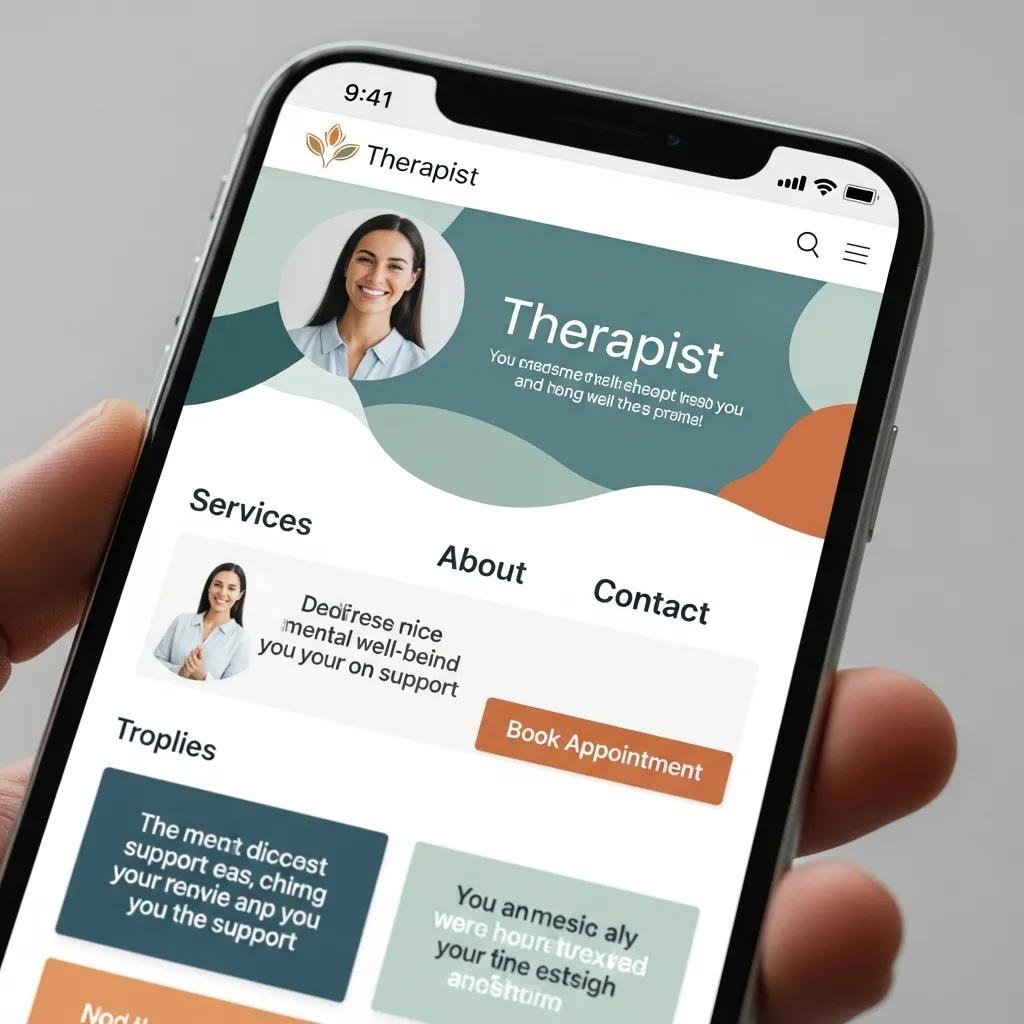
With the increasing use of mobile devices, ensuring that therapist websites are mobile-responsive is essential for maximizing engagement. A mobile-friendly design adapts to various screen sizes, providing a seamless experience for users on the go. Additionally, incorporating accessibility features, such as alt text for images and keyboard navigation, supports diverse clients, including those with disabilities. These practices not only enhance user experience but also expand the reach of therapy services to a broader audience.
Studies highlight that despite clear information, many mental health service webpages still struggle with web accessibility compliance and overall performance, impacting user experience.
Web Accessibility & Performance for Mental Health Websites
Study findings suggest that while information presented on university MH service webpages may be easy to understand, few webpages are compliant with web accessibility guidelines and most webpages had poor performance. Improving webpage performance and web accessibility based on these results may promote better user experience and decrease barriers to accessing campus MH services.
Evaluating webpage performance and web accessibility of Canadian universities’ mental health service webpages, 2025
What Are Best Practices for Mobile-Friendly Therapist Website Design?
- Responsive Layouts: Ensure that the website adjusts seamlessly to different screen sizes, providing an optimal viewing experience.
- Touch-Friendly Navigation: Design buttons and links that are easy to tap, minimizing user frustration.
- Fast Loading Times: Optimize images and reduce unnecessary elements to enhance loading speed, as slow sites can deter users.
Implementing these practices can significantly improve user engagement and satisfaction.
How Does Website Accessibility Support Diverse Therapy Clients?
Website accessibility is vital for supporting diverse therapy clients. By incorporating features such as screen reader compatibility, text resizing options, and alternative text for images, therapists can create an inclusive online environment. These accessibility tools enhance usability for individuals with disabilities, ensuring that everyone can access vital mental health resources. This commitment to inclusivity not only broadens the client base but also fosters a sense of trust and belonging among users.
What Strategies Drive Client Engagement and Conversion on Therapist Websites?
Driving client engagement and conversion on therapist websites involves implementing effective strategies that resonate with potential clients. Key strategies include crafting compelling calls-to-action (CTAs) and providing engaging content that builds trust. By focusing on these elements, therapists can create a website that not only attracts visitors but also encourages them to take action.
How to Craft Effective Calls-to-Action for Therapists?
- Use Action-Oriented Language: Phrases like “Schedule Your Free Consultation” or “Start Your Healing Journey Today” encourage users to take immediate action.
- Position CTAs Strategically: Place CTAs prominently on the homepage and throughout the site to ensure they are easily visible.
- Create a Sense of Urgency: Incorporate time-sensitive offers or limited availability to motivate users to act quickly.
By implementing these strategies, therapists can enhance client engagement and increase conversion rates.
Beyond compelling CTAs, practical tools like web-based scheduling systems have been shown to significantly improve client engagement and reduce treatment delays.
Web-Based Scheduling for Enhanced Client Engagement in Therapy
To meet the needs of clients, mental health clinics must offer responsive, organized intake procedures. Clients who receive rapid intervention when they request therapy services are more likely to attend and benefit from therapy. The present study examined the effects of implementing a web-based scheduling program on treatment delays and first session attendance. Results indicated that the use of a web-based scheduling system significantly reduced the number of days clients waited for a first appointment and increased the number of kept appointments.
Using web-based technology to facilitate client engagement, RB Tambling, 2007
Which Content Types Build Trust and Encourage Client Interaction?
- Testimonials: Sharing client success stories can enhance credibility and demonstrate the effectiveness of therapy services.
- Informative Blogs: Providing valuable insights and resources through blog posts can attract visitors and establish the therapist as an authority in the field.
- Video Introductions: Personalizing the website with video introductions can create a connection with potential clients, making them feel more comfortable reaching out.
These content types not only engage visitors but also encourage them to interact with the therapist’s services.
How Does Emotional and Visual Design Influence User Experience?
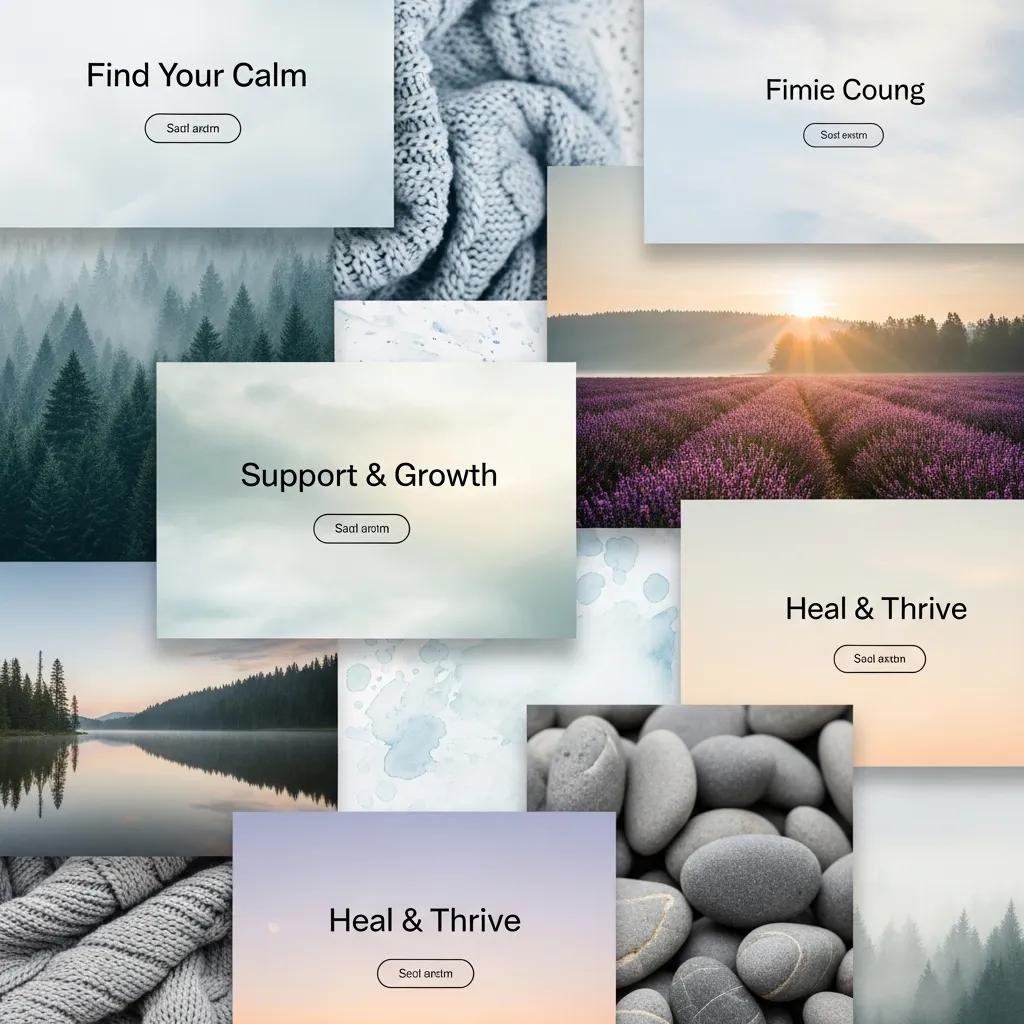
Emotional and visual design significantly influences user experience on therapist websites. The choice of colors, imagery, and overall aesthetic can evoke specific emotions and create a welcoming atmosphere. By understanding the impact of design elements, therapists can enhance emotional resonance and foster a positive user experience.
What Role Do Calming Colors and Imagery Play in Mental Health Websites?
Calming colors and imagery play a vital role in creating a soothing environment on mental health websites. Soft, muted colors such as blues and greens can evoke feelings of tranquility and safety, encouraging users to explore the site further. Additionally, using supportive and calming imagery, such as nature scenes or peaceful settings, can enhance the overall emotional experience for visitors. This thoughtful approach to design can significantly impact how clients perceive the therapist’s services.
How Can Personalization Enhance Emotional Resonance on Therapist Sites?
Personalization is a powerful tool for enhancing emotional resonance on therapist websites. By tailoring content to meet the specific needs and preferences of users, therapists can create a more engaging experience. This can include personalized recommendations for services based on user behavior or providing content that addresses common concerns among clients. Such tailored experiences foster a deeper connection between the therapist and potential clients, ultimately leading to increased engagement and trust.
What Technical Foundations Support Optimal UX and Engagement?
Technical foundations are essential for supporting optimal user experience and engagement on therapist websites. Key aspects include website speed, performance, and security, all of which contribute to a seamless user experience.
Why Are Website Speed and Performance Vital for Therapist Websites?
Website speed and performance are critical factors that influence user experience. Slow-loading websites can lead to high bounce rates, as users are likely to abandon a site that takes too long to load. Research indicates that even a one-second delay in loading time can significantly impact conversion rates. Therefore, optimizing website speed through efficient coding, image compression, and reliable hosting is essential for maintaining user engagement.
How Do Security and Privacy Considerations Affect User Trust?
Security and privacy considerations are paramount for building user trust on therapist websites. Clients seeking mental health services often prioritize confidentiality and data protection. Implementing robust security measures, such as SSL certificates and secure payment gateways, reassures clients that their information is safe. Additionally, clearly outlining privacy policies and data handling practices can further enhance trust, encouraging potential clients to engage with the therapist’s services.
This table illustrates how different strategies contribute to enhancing user experience on therapist websites, ultimately leading to better engagement and conversion rates.
Therapists can significantly improve their online presence by focusing on these core UX principles. By implementing intuitive navigation, ensuring readability, and prioritizing mobile responsiveness, they can create a welcoming environment that fosters client engagement. Additionally, emotional and visual design elements, along with robust technical foundations, play a crucial role in building trust and enhancing user experience. By adopting these strategies, therapists can effectively connect with potential clients and support their mental health journeys.