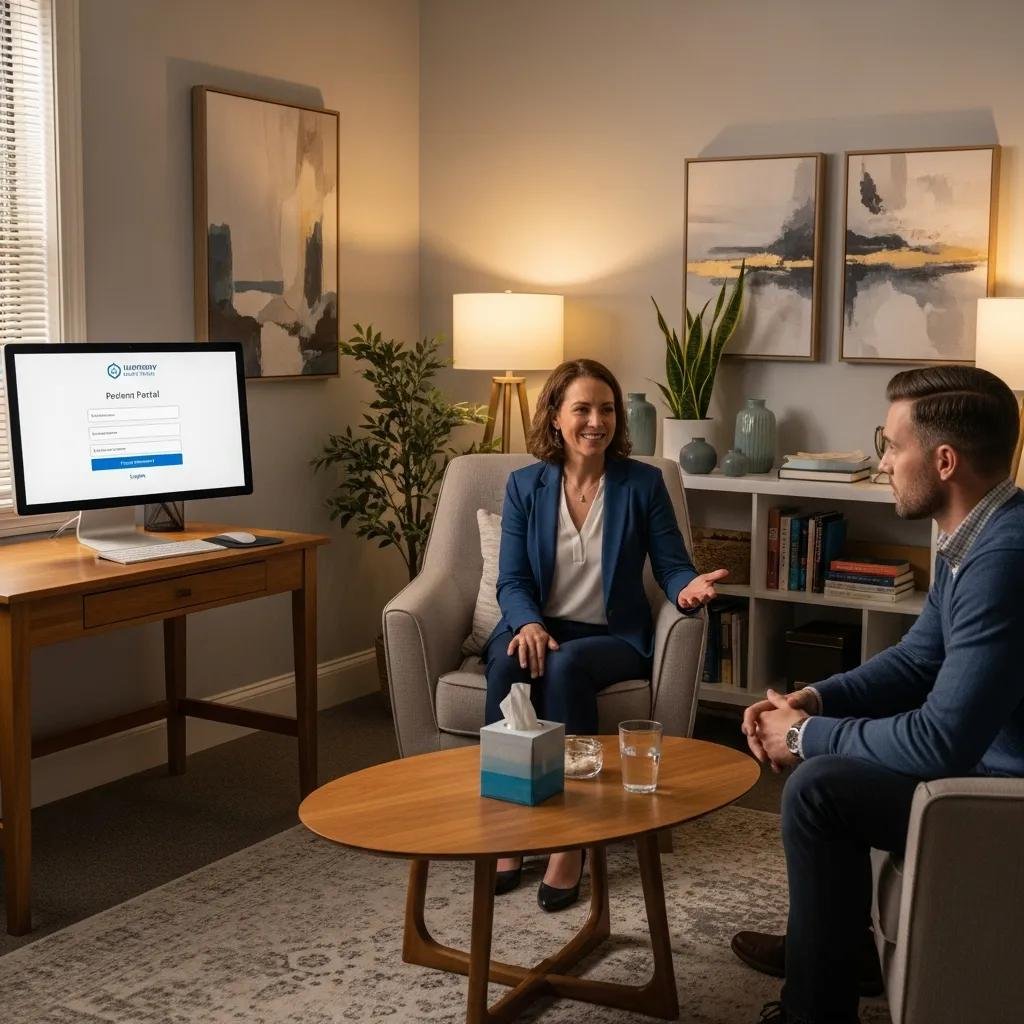
Best EHR Systems to Streamline Your Therapy Practice
Top EHR Systems for Therapists in Private Practice: Choosing the Best Electronic Health Record Software
In the evolving landscape of healthcare, therapists in private practice face unique challenges that require efficient management of patient records and care. Electronic Health Record (EHR) systems have emerged as essential tools, streamlining documentation, enhancing patient care, and ensuring compliance with regulations. This comprehensive guide explores the top EHR systems tailored for therapists, focusing on their key features, benefits, and how they can transform practice management. Many therapists struggle with maintaining accurate records while providing quality care, leading to inefficiencies and potential compliance issues. EHR systems offer a solution by automating documentation and improving patient interactions. This article will delve into the key features of EHR software, the impact of HIPAA compliance, the benefits of telehealth integration, a comparison of leading systems, and how website design can support EHR integration.
Indeed, the process of selecting an appropriate EHR system can be complex, yet it is crucial for optimizing both patient care and practice operations.
Choosing the Right EHR for Therapy Practices
Selecting the right Electronic Health Record (EHR) system can be a daunting task for therapy practices, but it’s a decision that can profoundly impact the quality of patient care and the efficiency of daily operations. As a therapist, you’re probably all too familiar with the juggling act of managing patient records, scheduling appointments, and keeping up with billing. It’s enough to make your head spin! But fear not, dear reader, for we’re about to embark on a journey through the wild and wonderful world of therapy EHRs.
Therapy EHR Comparison: Choosing the Right System for Your Practice
What Are the Key Features of EHR Software for Therapists?
EHR software for therapists is designed to enhance practice efficiency and improve patient care. Key features include user-friendly interfaces, HIPAA compliance, and robust integration capabilities. These elements ensure that therapists can manage patient information securely while providing high-quality care. A well-implemented EHR system not only simplifies documentation but also enhances communication between therapists and patients, leading to better treatment outcomes.
It’s important to recognize that not all EHR systems are created equal, and generic solutions often fail to meet the specific demands of therapy practices.
Why General EHRs Fall Short for Therapists
Most EHRs were built for medicine — prioritizing billing codes and checkboxes over narrative nuance and clinical reasoning. They reflect the priorities of the institutions that funded and incentivized them: large hospitals, insurers, and policymakers who saw digitization as an economic and administrative tool, not a clinical one. In short, while the EHR may be indispensable, it’s also a mirror of the system’s most persistent imbalance: more time spent managing care than delivering it.
Why Therapists Got the Worst Version of the EHR
Which Therapy Practice Management Tools Enhance Private Practice Efficiency?
Several therapy practice management tools complement EHR systems, significantly enhancing efficiency. These tools include:
- Scheduling Tools: Streamline appointment bookings and reminders, reducing no-shows and optimizing therapist schedules.
- Billing Software: Automate billing processes, ensuring timely payments and reducing administrative burdens.
- Patient Portals: Allow patients to access their records, schedule appointments, and communicate with their therapists, fostering engagement and satisfaction.
By integrating these tools with EHR systems, therapists can create a seamless workflow that enhances overall practice efficiency.
How Do Mental Health EHR Systems Support Patient Care and Documentation?

Mental health EHR systems play a crucial role in supporting patient care and documentation. They improve documentation accuracy by providing templates and prompts that guide therapists in capturing essential information. Enhanced patient communication features, such as secure messaging and telehealth capabilities, allow for timely interactions, which are vital for effective treatment. Studies suggest that practices utilizing EHR systems report improved patient outcomes due to better documentation and communication.
The widespread adoption of electronic medical records across healthcare sectors, including mental health, underscores their significant clinical, organizational, and societal value.
Value of EMR Implementation in Mental Health Care
Electronic medical records (EMRs) have been adopted in health care facilities around the world with the purpose of providing clinical, organizational, and societal value [1]. According to the Health Information Management Systems Society (HIMSS) EMR adoption model, a hospital can range from stage 0, which denotes zero to very minimal electronic record function, to stage 7, signifying a complete EMR with data analytic function that is meaningfully used to improve care [2].
The value of electronic medical record implementation in mental health care: a case study, MI Stuckey, 2017
How Does HIPAA Compliance Impact Therapist EHR Systems?
HIPAA compliance is a critical consideration for therapists when selecting an EHR system. These regulations ensure that patient information is protected and that therapists adhere to strict privacy standards. Non-compliance can lead to severe penalties and loss of patient trust, making it essential for therapists to choose EHR systems that prioritize data security.
What Security Measures Ensure HIPAA Compliance in EHR Software?
To ensure HIPAA compliance, EHR software must incorporate several security measures, including:
- Data Encryption: Protects sensitive information during transmission and storage, making it inaccessible to unauthorized users.
- Access Controls: Limits access to patient records based on user roles, ensuring that only authorized personnel can view sensitive information.
- Audit Trails: Tracks user activity within the system, providing a record of who accessed what information and when.
These security features are vital for maintaining compliance and protecting patient data.
Why Is Data Privacy Critical for Therapy Practice Management Software?
Data privacy is paramount in therapy practice management software due to the sensitive nature of patient information. Ensuring data privacy fosters patient trust and encourages open communication, which is essential for effective therapy. Additionally, breaches in data privacy can lead to legal implications and damage a practice’s reputation. Therefore, therapists must prioritize EHR systems that emphasize robust data privacy measures.
What Are the Benefits of Telehealth Integration with Therapist EHR Systems?

Telehealth integration with EHR systems offers numerous benefits, particularly in enhancing accessibility and convenience for patients. As telehealth becomes increasingly popular, therapists must ensure their EHR systems can support these services effectively.
How Do EHR Systems Facilitate Seamless Telehealth Services?
EHR systems facilitate seamless telehealth services by providing integrated platforms for virtual appointments. Features such as secure video conferencing and appointment scheduling streamline the telehealth process, allowing therapists to connect with patients from the comfort of their homes. This integration not only improves patient access to care but also enhances the overall therapeutic experience.
Which Telehealth Features Are Essential for Private Practice EHR Solutions?
Essential telehealth features for private practice EHR solutions include:
- Patient Portals: Enable patients to access their health information and schedule telehealth appointments easily.
- Secure Messaging: Allows for confidential communication between therapists and patients, fostering ongoing support.
- Remote Monitoring: Provides tools for therapists to track patient progress and adjust treatment plans as needed.
These features are crucial for delivering effective telehealth services and ensuring patient satisfaction.
How Do Top EHR Systems Compare for Therapists in Private Practice?
When selecting an EHR system, therapists must consider various factors, including pricing, user ratings, and integration capabilities. Understanding how different systems compare can help therapists make informed decisions that align with their practice needs.
What Are the Pricing and User Ratings of Leading Therapist EHR Software?
The following table compares the pricing and user ratings of leading therapist EHR software:
(Note: Pricing may vary based on features and subscription plans.)
Which EHR Platforms Offer the Best Integration and Usability for Therapists?
When considering usability and integration, therapists should look for EHR platforms that offer:
- Intuitive Interfaces: Easy-to-navigate systems that reduce the learning curve for new users.
- Third-Party Integrations: Compatibility with other tools, such as billing software and telehealth platforms, to streamline workflows.
- Customizable Features: Options to tailor the system to specific practice needs, enhancing overall usability.
These factors contribute to a more efficient practice and improved patient care.
How Can Website Design Support EHR Integration for Therapy Practices?
Website design plays a crucial role in supporting EHR integration for therapy practices. A well-designed website can enhance user experience and facilitate patient engagement, making it easier for clients to access their health information and communicate with their therapists.
What Website Features Enhance EHR System Adoption in Private Practices?
Key website features that enhance EHR system adoption include:
- Mobile Responsiveness: Ensures that patients can access their records and communicate with therapists on any device.
- Clear Navigation: Simplifies the user experience, allowing patients to find information quickly and easily.
- Secure Patient Portals: Provides a safe space for patients to access their health information and engage with their therapists.
These features are essential for encouraging patients to utilize EHR systems effectively.
How Does Custom Website Design Improve Patient Engagement and Portal Access?
Custom website design can significantly improve patient engagement by creating a user-friendly interface that encourages interaction. Practices with well-designed websites often experience higher patient satisfaction and retention rates. By incorporating features that facilitate easy access to EHR systems, therapists can enhance the overall patient experience and foster stronger therapeutic relationships.