Best CRM Software for Managing Therapy Clients
The Ultimate Guide to CRM Software for Therapists
In the realm of mental health, effective client management is crucial for the success of therapy practices. This comprehensive guide explores the best CRM software tailored specifically for managing therapy clients, focusing on how these tools can enhance practice efficiency and client satisfaction. Mental health professionals often face challenges in organizing client information, scheduling appointments, and ensuring compliance with regulations. The right CRM software can streamline these processes, allowing therapists to focus more on their clients and less on administrative tasks. This article will delve into the necessity of CRM software, key features to look for, top options available in 2024, and how to integrate these tools with existing practice management systems.
Why Do Mental Health Professionals Need CRM Software?
CRM software is essential for mental health professionals as it enhances client management and practice efficiency. By centralizing client information, therapists can easily track interactions, appointments, and treatment plans. This leads to improved communication with clients and helps ensure compliance with HIPAA regulations, which is critical in the mental health field.
The adoption of CRM systems in regulated industries like healthcare underscores their importance in managing patient relationships while adhering to strict compliance standards.
CRM for Patient Management & HIPAA-aware
use CRM to manage patient relationships, track treatment, and ensure ethical practices. Therefore, companies must ensure that their CRM system was designed with HIPAA requirements in
Adoption of CRM in Regulated Industries: Compliance and Challenges, 2020
What Benefits Does CRM Offer for Therapy Practice Management?
- Increased Productivity: CRM systems automate routine tasks, allowing therapists to spend more time with clients rather than on paperwork.
- Better Client Engagement: With features like automated reminders and follow-ups, therapists can maintain consistent communication with clients, enhancing their overall experience.
- Data Security: Many CRM solutions are designed to comply with HIPAA regulations, ensuring that sensitive client information is protected.
How Does CRM Improve Client Management in Private Practice?
CRM software improves client management by providing tools for tracking client interactions and managing appointments. Therapists can easily access client histories, which aids in personalized treatment planning. Additionally, CRM systems often include features for secure messaging, allowing for confidential communication between therapists and clients.
What Are the Key Features to Look for in a HIPAA Compliant CRM for Therapists?
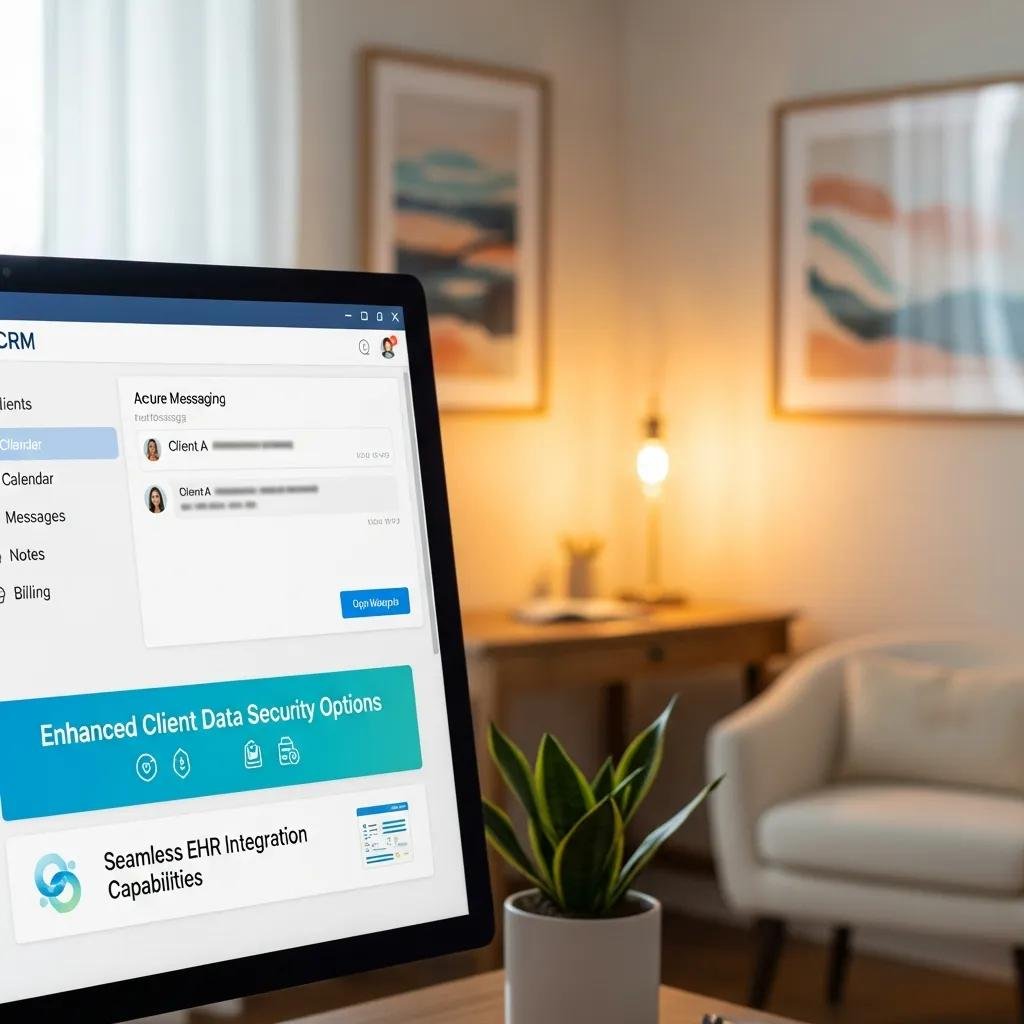
When selecting a CRM for therapy practices, it is crucial to ensure that it is HIPAA-aware. Key features to consider include:
Ensuring HIPAA compliance is not just a regulatory requirement but also an ethical imperative for therapy practices, impacting every aspect of client data management.
HIPAA-aware for Therapy Practices
These regulations affect the practice of CFTs. HIPAA compliance is an ethical issue, a risk. A therapist in private practice for example, would not be required to provide the same.
The impact of HIPAA and HITECH regulations on the couple and family therapist, 2016
- Client Data Security: Look for CRMs that offer encryption and secure access controls to protect sensitive information.
- User-Friendly Interface: A simple, intuitive design helps therapists navigate the software without extensive training.
- Integration Capabilities: The ability to integrate with other tools, such as billing and scheduling software, can enhance overall practice efficiency.
Which Scheduling and Billing Tools Enhance Therapy Practice Efficiency?
Effective scheduling and billing tools are vital for therapy practices. Features to look for include:
- Automated Reminders: These help reduce no-shows by sending clients reminders about upcoming appointments.
- Billing Integration: A CRM that integrates with billing software can streamline the payment process, making it easier for therapists to manage finances.
How Do Client Portals and Secure Messaging Support Therapist-Client Communication?
Client portals and secure messaging features are essential for maintaining effective communication. They allow clients to:
- Access Their Information: Clients can view their treatment plans and progress, fostering a sense of involvement in their care.
- Communicate Securely: Secure messaging ensures that all communications are confidential, which is crucial for building trust in the therapist-client relationship.
Which Are the Best CRM Software Options for Managing Therapy Clients in 2024?
As of 2024, several CRM software options stand out for managing therapy clients. Each offers unique features tailored to the needs of mental health professionals.
How Do TherapyNotes and SimplePractice Compare in Features and Pricing?
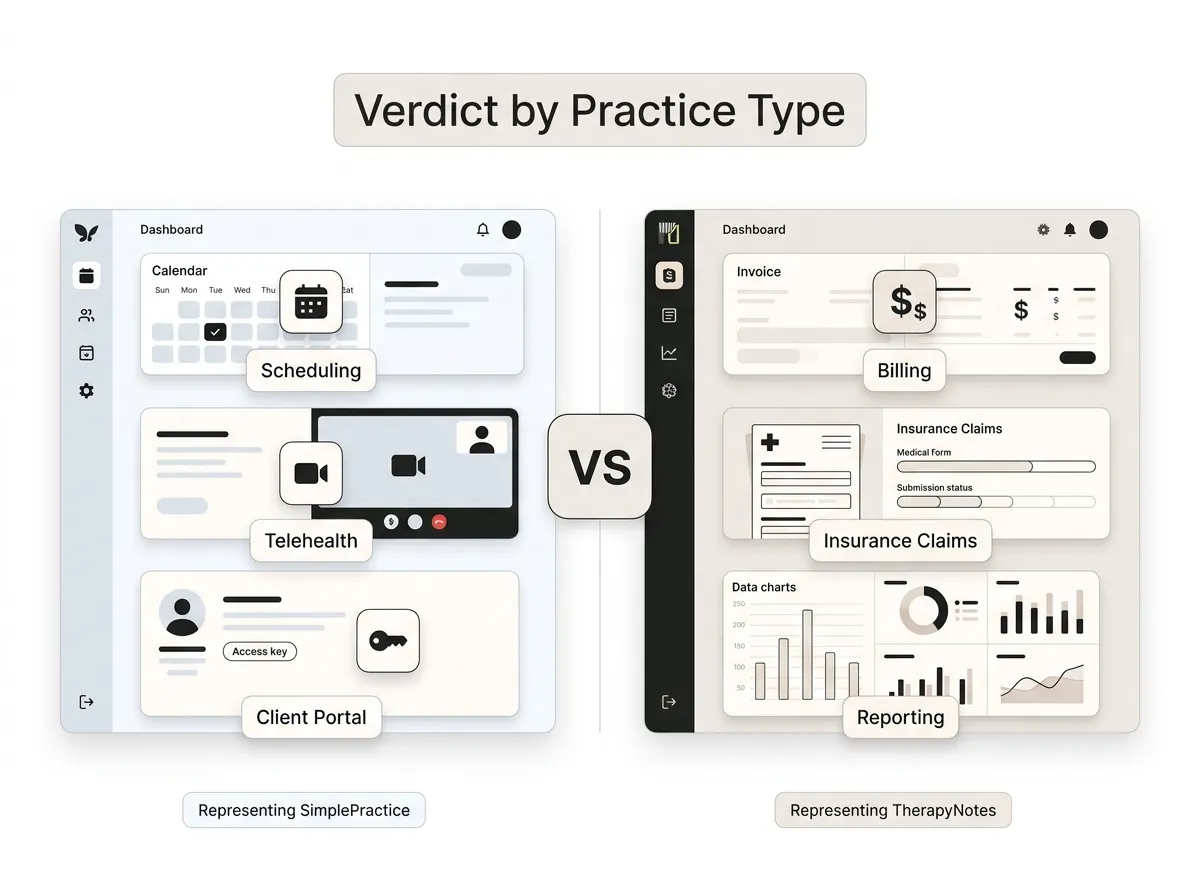
TherapyNotes and SimplePractice are two leading CRMs for therapists. TherapyNotes offers robust scheduling and billing features, making it ideal for practices focused on administrative efficiency. In contrast, SimplePractice excels in telehealth capabilities, allowing therapists to conduct virtual sessions seamlessly. Pricing for TherapyNotes starts at $49 per month, while SimplePractice begins at $39 per month, making both options accessible for various practice sizes.
What Are the Strengths of HubSpot, Salesforce, and Zoho for Therapy Practices?
HubSpot, Salesforce, and Zoho each bring unique strengths to therapy practices. HubSpot is known for its marketing automation capabilities, which can help therapists attract new clients. Salesforce offers extensive customization options, making it suitable for larger practices with specific needs. Zoho provides a cost-effective solution with a wide range of features, making it an excellent choice for smaller practices looking to manage client relationships effectively.
How Does CRM Software Differ from EHR Systems for Mental Health Professionals?
While both CRM and EHR systems are essential for mental health practices, they serve different purposes. CRM software focuses on client relationship management, while EHR systems are designed to manage patient health records.
What Are the Unique Roles of CRM and EHR in Therapy Practice Management?
CRM systems help therapists manage client interactions and improve communication, whereas EHR systems store and manage patient health information. Understanding these differences is crucial for selecting the right tools for practice management.
Can CRM and EHR Systems Be Integrated for Seamless Client Care?
Integrating CRM and EHR systems can enhance client care by allowing for seamless data sharing. This integration ensures that therapists have access to both client relationship information and health records, facilitating a more comprehensive approach to treatment.
How Can Therapists Integrate Their Website with CRM Software for Practice Growth?
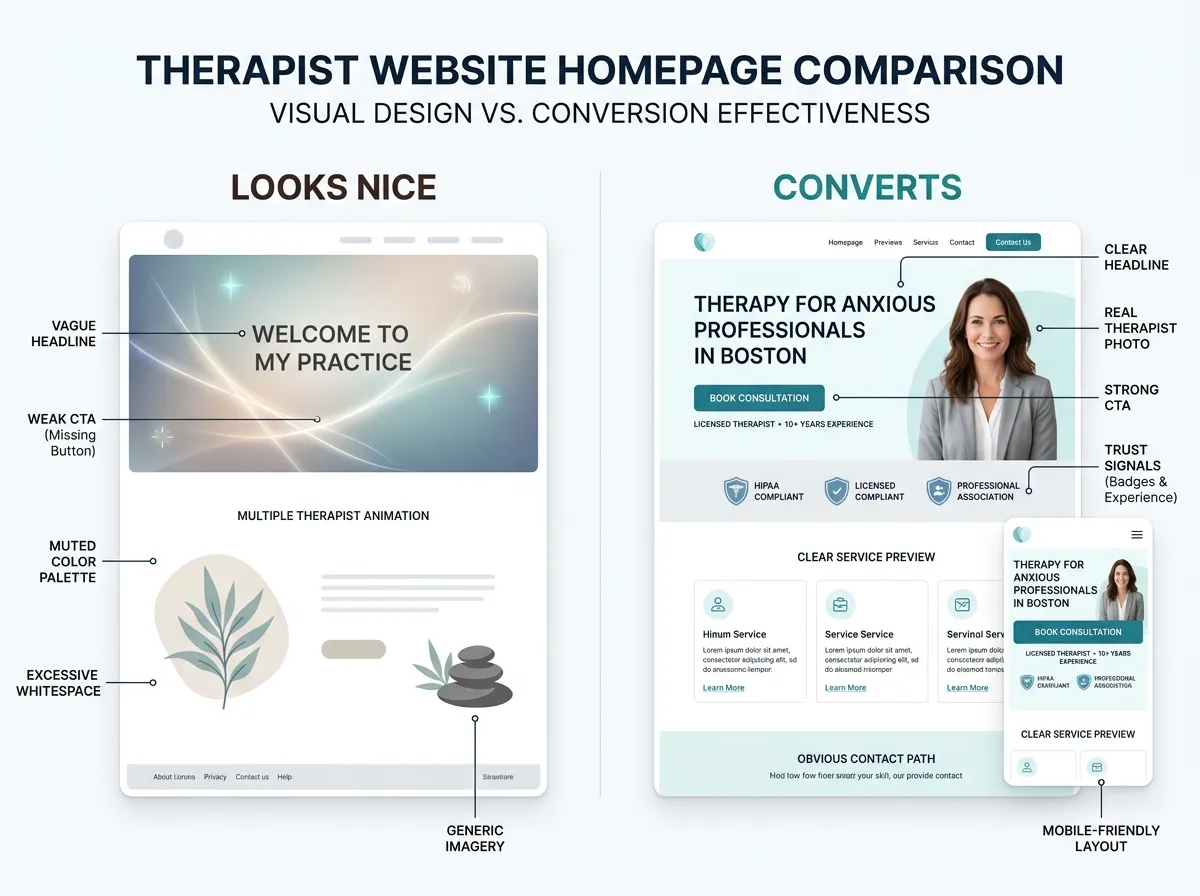
Integrating a professional therapy website with CRM software can significantly enhance practice growth. This integration allows therapists to streamline client intake processes and improve communication.
What Are the Benefits of Linking a Professional Therapy Website to CRM Tools?
- Streamlined Client Intake: Online forms can automatically populate client information into the CRM, reducing administrative workload.
- Enhanced Communication: Clients can easily reach out through the website, and their inquiries can be tracked within the CRM for timely follow-up.
Which Integration Features Should Therapists Prioritize for Client Intake and Communication?
- Client Intake Forms: These should be customizable and easy to complete online.
- Secure Messaging: This feature ensures that all communications remain confidential and compliant with regulations.
What Are Future Trends and Innovations in CRM Software for Therapy Practices?

The landscape of CRM software for therapy practices is continually evolving, with new trends and innovations emerging.
How Is AI Enhancing CRM Capabilities for Mental Health Professionals?
AI is playing a significant role in enhancing CRM capabilities by automating routine tasks and providing insights into client behavior. This technology can help therapists personalize their services and improve client engagement.
What Market Trends Are Shaping Therapy Practice Management Software?
Current market trends indicate a growing demand for telehealth integration and enhanced data security features. As more therapists adopt digital solutions, the focus on user-friendly interfaces and compliance with regulations will continue to shape the development of CRM software.
Indeed, future trends emphasize the critical role of cloud-based CRM solutions in maintaining HIPAA adherence within healthcare.
Cloud CRM for Healthcare & HIPAA Adherence
audits, and compliance with standards such as HIPAA, ensuring. This includes engaging in public-private partnerships and ensure that patients are adhering to their treatment plans.
Future Trends in Cloud-based CRM Solutions for Healthcare, 2023