Achieve WCAG 2.1 Compliance for Your Therapy Website Today
How to Make Your Therapy Website WCAG 2.1 Compliant
In an increasingly digital world, ensuring that therapy websites meet accessibility standards is not just a legal requirement but a moral imperative. This comprehensive guide will delve into the WCAG 2.1 guidelines, their significance for therapy websites, and how mental health professionals can achieve compliance. By understanding these standards, therapists can create inclusive online environments that cater to all clients, including those with disabilities. The article will cover the principles of WCAG 2.1, the legal requirements under the ADA, best practices for web design, and the ethical benefits of accessibility. Additionally, we will explore how Therapeia Web Design can assist therapists in achieving these compliance goals.
The unique challenges faced by individuals with mental health conditions underscore the critical need for accessible web design in this sector.
Accessible Web Design for Mental Health Support
A significant proportion of society experience mental illness, many of which uses the Web for advice and support relating to their illness. With a high proportion of society experiencing anxiety and depression, it is important that web designers are informed of specific requirements to ensure Websites are accessible, particularly those websites that provide support and advice for mental health. Anxiety and depression can affect cognitive functioning, which can then impact upon the accessibility of web based information.
Accessing web based health care and resources for mental health: interface design considerations for people experiencing mental illness, A Good, 2014
What Are WCAG 2.1 Guidelines and Why Do They Matter for Therapy Websites?
The Web Content Accessibility Guidelines (WCAG) 2.1 are a set of international standards developed by the World Wide Web Consortium (W3C) designed to ensure that web content is accessible to all users, including those with disabilities. These guidelines are crucial for therapy websites as they help create an inclusive digital space that accommodates various needs. By adhering to WCAG 2.1, therapists can enhance user experience, improve client engagement, and reduce the risk of legal repercussions associated with non-compliance.
How Do WCAG 2.1 Principles Apply to Mental Health and Counseling Sites?
The principles of WCAG 2.1—perceivable, operable, understandable, and robust—are particularly relevant to mental health and counseling sites. For instance, ensuring that all content is perceivable means providing text alternatives for non-text content, which is essential for clients using screen readers. Operability involves making sure that all functionalities are accessible via keyboard navigation, which is crucial for users with mobility impairments. By applying these principles, therapists can create websites that are not only compliant but also user-friendly.
What Are the Key WCAG 2.1 Success Criteria Relevant to Therapy Websites?
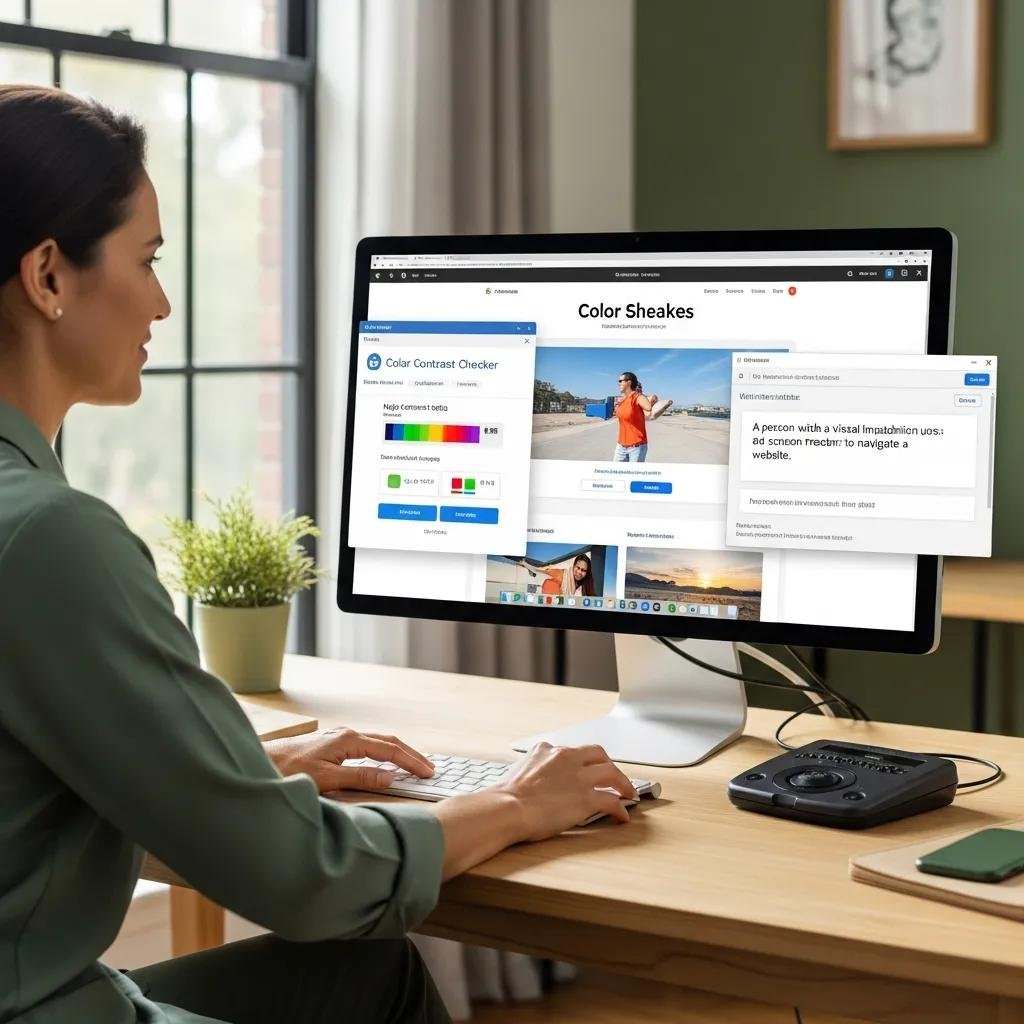
Key success criteria from WCAG 2.1 include providing text alternatives for images, ensuring sufficient contrast between text and background, and making all interactive elements accessible via keyboard. These criteria are vital for therapy websites as they directly impact how clients interact with the site. For example, using alt text for images ensures that visually impaired clients can understand the content, while proper contrast enhances readability for all users.
How Can Therapists Ensure ADA Compliance Through Accessible Web Design?
Ensuring ADA compliance is essential for therapy websites to avoid legal issues and provide equitable access to services. The Americans with Disabilities Act (ADA) mandates that places of public accommodation, which courts have interpreted to include websites, be accessible to individuals with disabilities. This section will explore the legal requirements therapists must meet and the potential risks of non-compliance.
What Legal Requirements Must Therapy Websites Meet Under the ADA?
Therapy websites should strive to comply with the ADA by ensuring that all content is accessible to individuals with disabilities. This includes providing alternative text for images, ensuring that videos have captions, and making sure that the site can be navigated using a keyboard. While the ADA does not explicitly specify technical standards like WCAG, courts and the Department of Justice have frequently referenced WCAG 2.0 and 2.1 as benchmarks for accessibility. Failure to meet these requirements can lead to legal action, which can be costly and damaging to a therapist’s reputation.
Research consistently highlights the importance of adhering to WCAG 2.1 Level AA guidelines within the broader healthcare landscape to meet regulatory frameworks.
WCAG 2.1 Level AA Compliance in Healthcare
In this work, three research questions were addressed: (1) How many hospital sites fulfil WCAG 2.1 Level AA guidelines following regulatory framework? (2) What are the most common
Accessibility and readability compliance in Spanish public hospital websites, L Moreno, 2022
What Are the Risks of Non-Compliance for Therapy Practices?
Non-compliance with ADA standards can result in significant legal risks, including lawsuits and financial penalties. Additionally, it can lead to reputational damage, as clients may perceive a lack of commitment to inclusivity. This can erode trust and deter potential clients from seeking services. Therefore, ensuring compliance is not only a legal obligation but also a critical aspect of maintaining a positive professional image.
What Are Best Practices for Implementing Accessibility on Therapy Websites?
Implementing best practices for accessibility is essential for creating a user-friendly experience on therapy websites. This section will outline effective strategies for designing accessible booking forms and optimizing multimedia content.
How to Design Accessible Booking Forms and Client Portals for Therapists?
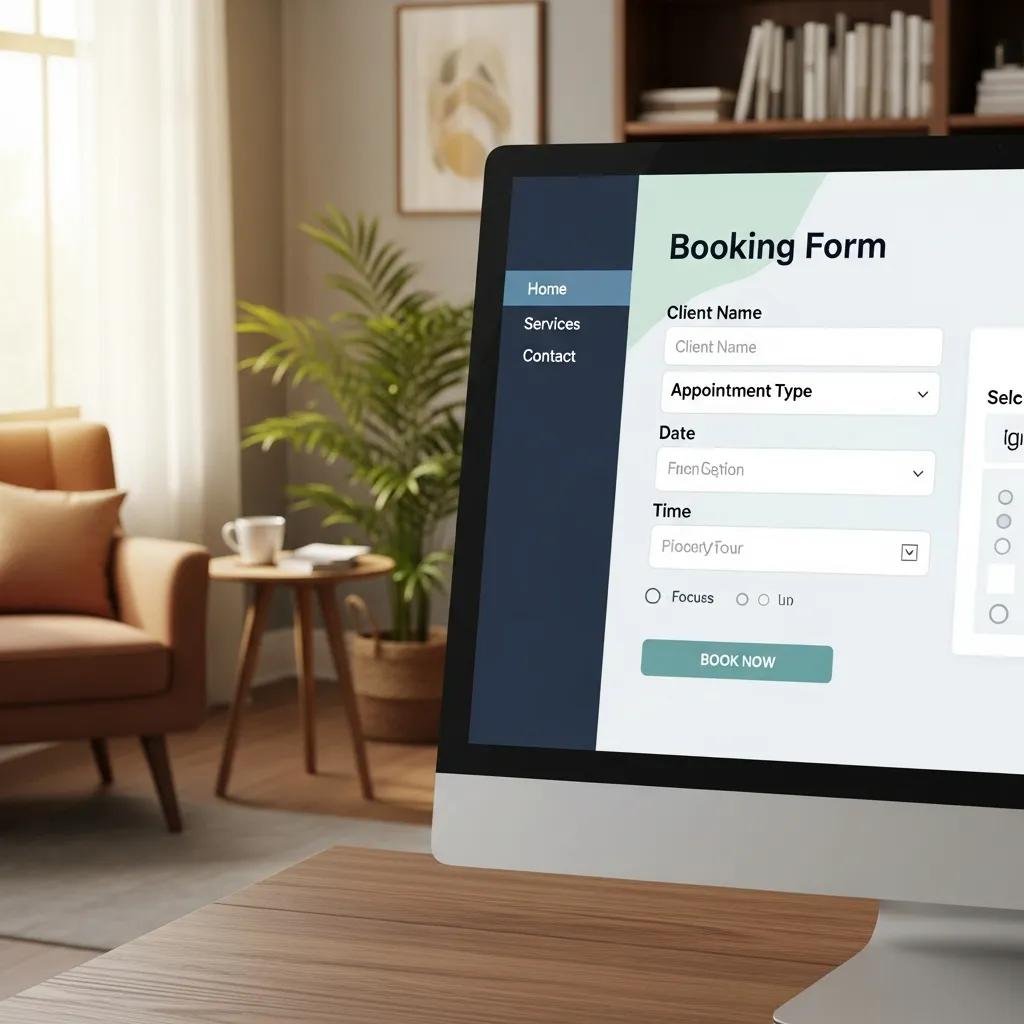
Accessible booking forms should include clear labels, error messages, and instructions to guide users through the process. Additionally, using logical tab orders and ensuring that all fields are keyboard navigable can significantly enhance usability for clients with disabilities. By prioritizing accessibility in these forms, therapists can ensure that all clients can easily schedule appointments.
How to Optimize Images and Multimedia for Therapy Website Accessibility?
Optimizing images and multimedia involves using descriptive alt text for images and providing captions for videos. This ensures that clients who rely on assistive technologies can access all content. Furthermore, using high-contrast colors and readable fonts enhances the overall accessibility of the site, making it easier for all users to engage with the content.
How Can Therapists Audit and Maintain WCAG 2.1 Compliance Over Time?
Regular audits and maintenance are crucial for ensuring ongoing compliance with WCAG 2.1 standards. This section will discuss tools and checklists that can help therapists evaluate their website’s accessibility and plan for ongoing updates.
What Tools and Checklists Help Evaluate Therapy Website Accessibility?
Several tools and checklists are available to help therapists assess their website’s accessibility. Tools like WAVE and Axe can identify accessibility issues, while checklists based on WCAG 2.1 criteria can guide therapists in making necessary adjustments. Regularly using these resources can help maintain compliance and improve user experience.
Despite the availability of tools and the focus on readability, studies reveal that many mental health service webpages still fall short of WCAG 2.1 AA compliance.
WCAG 2.1 AA Compliance for Mental Health Webpages
This study examined the accessibility and performance of Canadian universities’ MH webpages. Webpage accessibility metrics included webpage compliance with Web Content Accessibility Guidelines (WCAG) 2.1 AA and webpage content readability. Study findings suggest that while information presented on university MH service webpages may be easy to understand, few webpages are compliant with web accessibility guidelines and most webpages had poor performance.
Evaluating webpage performance and web accessibility of Canadian universities’ mental health service webpages, 2025
How to Plan Ongoing Accessibility Updates and Maintenance?
Planning for ongoing accessibility updates involves setting a schedule for regular audits and staying informed about changes in accessibility standards. Therapists should also consider ongoing training for staff to ensure that everyone understands the importance of accessibility and how to implement best practices. This proactive approach can help maintain compliance and enhance the overall user experience.
What Ethical and Client-Centered Benefits Does Accessibility Bring to Therapy Websites?
Accessibility is not just a legal requirement; it also offers significant ethical and client-centered benefits. This section will explore how inclusive design builds trust with clients and showcase successful case studies of accessible therapy websites.
How Does Inclusive Design Build Trust with Clients with Disabilities?
Inclusive design fosters trust by demonstrating a commitment to serving all clients, including those with disabilities. When therapy websites are accessible, clients feel valued and understood, which can enhance their overall experience. This trust is crucial for building long-term therapeutic relationships and encouraging clients to seek help.
What Case Studies Demonstrate Successful Accessible Therapy Websites?
Several therapy practices have successfully implemented accessible design, resulting in improved client engagement and satisfaction. For example, a counseling center that revamped its website to meet WCAG 2.1 standards reported a significant increase in appointment bookings from clients with disabilities. These case studies highlight the tangible benefits of prioritizing accessibility in web design.
How Can Therapeia Web Design Support Therapists in Achieving WCAG 2.1 Compliance?
Therapeia Web Design specializes in creating secure, responsive, and user-friendly websites tailored for mental health professionals, including therapists, counselors, and coaches. This section will detail the custom web design services offered and how they facilitate a stress-free accessible launch.
What Custom Web Design Services Ensure Secure and Accessible Therapy Sites?
Therapeia Web Design offers custom web design services that prioritize accessibility and security. By incorporating WCAG 2.1 guidelines into the design process, therapists can ensure that their websites are compliant and user-friendly. These services include tailored solutions for booking systems, client portals, and multimedia content, all designed with accessibility in mind.
How Does the “Website in a Week” Service Facilitate a Stress-Free Accessible Launch?
The “Website in a Week” service facilitates a stress-free accessible launch by offering quick and effective brand and website transformations, allowing clients to have their dream website ready in just one week. This service emphasizes a streamlined process that minimizes waiting time, making it easier for clients to bring their vision to life without the usual stress associated with website development.
Therapists who prioritize accessibility not only comply with legal standards but also create a welcoming environment for all clients. By leveraging the expertise of Therapeia Web Design, mental health professionals can ensure their websites are both compliant and effective in meeting the needs of their diverse clientele.