
In the competitive landscape of therapy and mental health services, a seamless client intake process is crucial for retaining clients. Many therapists and wellness professionals find that their current intake methods are cumbersome, leading to lost opportunities. This article explores how optimizing your intake process through a dedicated website can significantly enhance client retention and satisfaction. By addressing common barriers and implementing effective online solutions, you can transform your client onboarding experience. We will delve into the features of effective online therapy intake forms, the impact of automation, and the importance of user experience in enhancing client conversion rates.
Research consistently highlights that inefficient intake procedures are a primary cause of patient disengagement and dissatisfaction, underscoring the need for improvement.
Improving Mental Health Intake for Patient Satisfaction
This scholarly project aimed to enhance patient satisfaction and engagement by improving the intake process in an outpatient mental health clinic. Inefficient intake procedures, characterized by long wait times, communication gaps, and misreferrals, contribute to patient disengagement and dissatisfaction.
Increasing Patient Satisfaction and Engagement by Improving Patient Intake Process in an Outpatient Mental Health Clinic, 2025
Therapist client intake software and online therapy intake forms are designed to streamline the onboarding process, making it easier for clients to engage with your services. These tools enhance user experience by providing intuitive, user-friendly interfaces that simplify the completion of necessary forms. By automating the intake process, therapists can reduce administrative burdens and focus more on client care. This not only improves client retention but also fosters a more professional image for your practice.
Further research emphasizes the importance of refining these processes to enhance client engagement and reduce administrative overhead.
Streamlining Mental Health Intake Processes
This article discusses strategies for refining the patient intake process in specialty mental health programs by utilizing process improvement techniques and
Streamlining Intake Process to Reduce Time to Admit to Specialty Mental Health Program., S Sikka, 2025
User-friendly forms are essential for reducing drop-off rates during the intake process. When clients encounter complicated or lengthy forms, they are more likely to abandon the process altogether. By utilizing software that prioritizes simplicity and clarity, therapists can ensure that clients complete their intake forms without frustration. This leads to higher conversion rates and a more engaged client base.
Automation plays a pivotal role in modernizing the client intake process. By integrating automated reminders and follow-ups, therapists can keep clients informed and engaged throughout their onboarding journey. This proactive approach not only enhances client satisfaction but also minimizes the chances of missed appointments, ultimately leading to increased bookings and revenue.
Identifying the reasons behind client loss is the first step in improving your intake process. Common issues include technical problems with forms, poor user experience, and a lack of personalization. Each of these factors can contribute to a frustrating onboarding experience that drives potential clients away.
Technical glitches can severely hinder the intake process. If forms are not functioning correctly, clients may become frustrated and abandon the process. Ensuring that your forms are tested and optimized for various devices can help mitigate these issues.
A poor user experience can manifest in various ways, such as complicated navigation or unclear instructions. Clients should be able to easily understand what information is required and how to submit their forms. Simplifying the user journey can significantly enhance client satisfaction.
Clients appreciate a personalized approach, especially in the mental health field. If your intake forms feel generic or impersonal, clients may feel disconnected from your practice. Incorporating elements that allow for personalization can help clients feel valued and understood.
Several barriers can prevent clients from completing the onboarding process. Understanding these barriers is crucial for developing effective solutions.
A poor intake process can have detrimental effects on client conversion rates. Complicated navigation and lengthy forms can lead to drop-offs, while impersonal language can create barriers to engagement. Understanding these impacts is essential for therapists looking to improve their client onboarding experience.
When clients encounter a confusing website layout, they are likely to abandon the process. Ensuring that your website is intuitive and easy to navigate can help retain potential clients.
Lengthy forms can be overwhelming for clients, leading to frustration and abandonment. Streamlining the intake process by reducing the number of required fields can improve completion rates.
Using overly technical language can alienate clients. A more approachable tone can help clients feel more comfortable and willing to engage with your services.

A dedicated therapy client onboarding website can significantly enhance the intake process. By providing secure client intake forms, online booking systems, and automated reminders, therapists can create a seamless experience for clients.
Security is paramount when handling sensitive client information. Implementing secure online forms ensures that client data is protected, fostering trust and confidence in your practice.
Integrating an online booking system allows clients to schedule appointments at their convenience. This flexibility can lead to increased bookings and improved client satisfaction.
Automated reminders can help keep clients informed about upcoming appointments and necessary paperwork. This proactive approach reduces no-shows and enhances overall client engagement.
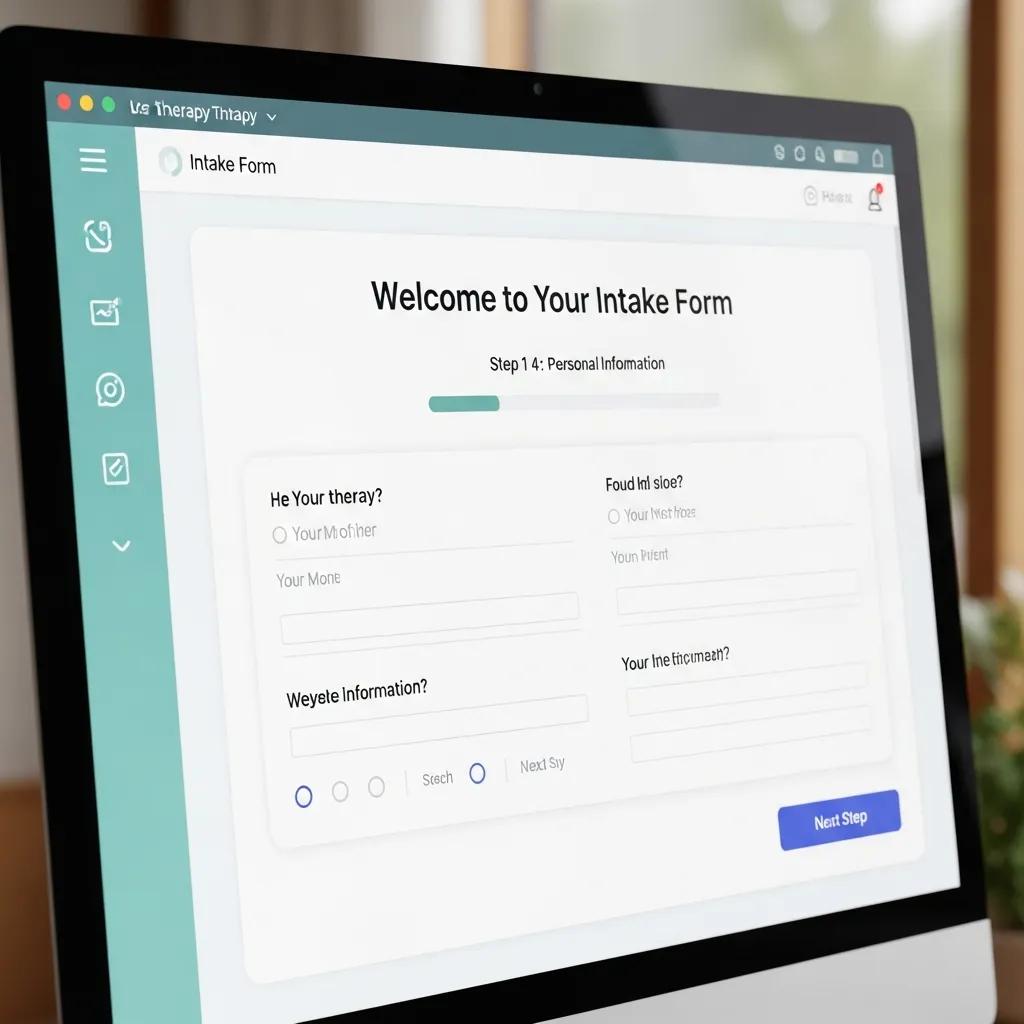
Effective online therapy intake forms should incorporate several key features to enhance usability and security.
| Feature | Description | Benefit |
|---|---|---|
| Security and Compliance | Ensures client data is protected and meets legal standards | Builds trust with clients |
| User-Friendly Design | Simple and intuitive layout for easy navigation | Increases form completion rates |
| Clear Calls to Action | Directs clients on what to do next | Reduces confusion and enhances engagement |
These features are essential for creating an effective intake process that meets the needs of both therapists and clients.
Automation can significantly enhance mental health client intake solutions by streamlining processes and reducing administrative burdens. Automated systems can handle appointment reminders, billing, and client communications, allowing therapists to focus more on client care.
Automated appointment reminders can help reduce no-shows and keep clients engaged. By sending reminders via email or text, therapists can ensure that clients are aware of their upcoming appointments.
Automated billing systems simplify the payment process for clients, making it easier for them to manage their accounts. This convenience can lead to improved client satisfaction and retention.
Client portals provide a secure space for clients to access their information, complete forms, and communicate with their therapists. This accessibility enhances the overall client experience.
Effective website design strategies can significantly improve client conversion rates. By focusing on clear calls to action, mobile responsiveness, and trust-building elements, therapists can create a more engaging online presence.
Incorporating clear calls to action throughout your website can guide clients toward taking the next steps, whether that’s filling out an intake form or scheduling an appointment.
With an increasing number of clients accessing websites via mobile devices, ensuring that your site is mobile-friendly is essential. A responsive design enhances user experience and can lead to higher conversion rates.
Including testimonials, credentials, and professional affiliations on your website can help build trust with potential clients. Demonstrating your expertise and reliability can encourage clients to choose your services.
Conversion architecture refers to the design and structure of a website that encourages visitors to take specific actions. By optimizing this architecture, therapists can enhance the client journey and improve conversion rates.
A well-structured website with intuitive navigation allows clients to easily find the information they need. This simplicity can lead to higher engagement and conversion rates.
Incorporating effective calls to action throughout your website can guide clients toward taking the next steps, such as filling out an intake form or scheduling an appointment.
With many clients accessing websites via mobile devices, ensuring that your site is optimized for mobile use is crucial. A mobile-friendly design enhances user experience and can lead to increased conversions.
Clinical user experience (UX) is essential in the mental health field, as it directly impacts how clients interact with your services. A positive UX can enhance client satisfaction and retention.
Indeed, the critical role of user experience in digital mental health interventions is a well-documented area of study.
User Experience in Mental Health Digital Interventions
User experience (UX) plays a key role in uptake and usage of mental health smartphone interventions, yet remains underinvestigated. This review aimed to characterize and compare UX evaluation approaches that have been applied in this specific context, and to identify implications for research and practice.
A narrative review of methods for applying user experience in the design and assessment of mental health smartphone interventions, K Huckvale, 2020
An intuitive navigation structure allows clients to easily find the information they need, reducing frustration and improving overall satisfaction.
Incorporating emotional design elements can help clients feel more comfortable and connected to your practice. This approach fosters a sense of trust and empathy, which is crucial in the mental health field.
Ensuring that your website content is easy to read and understand is vital for client engagement. Clear, concise language can help clients feel more at ease and willing to engage with your services.
Integrating scheduling and intake workflows can significantly enhance the client onboarding experience. By streamlining these processes, therapists can reduce administrative burdens and improve client satisfaction.
Integrating scheduling with intake forms allows clients to easily book appointments while completing their paperwork. This accessibility can lead to higher completion rates and improved client engagement.
By automating scheduling and intake processes, therapists can reduce the time spent on administrative tasks. This efficiency allows for more focus on client care and engagement.
A seamless onboarding experience can lead to improved client retention rates. When clients feel supported and valued during the intake process, they are more likely to continue their engagement with your services.
Integrating online scheduling with intake forms requires careful planning and execution. Here are some best practices to consider:
Workflow integration can significantly reduce client friction and increase bookings by streamlining processes and enhancing the overall client experience.
By integrating various aspects of the client journey, therapists can provide a more accessible experience for clients. This accessibility can lead to higher engagement and retention rates.
Creating user-friendly interfaces for scheduling and intake processes can enhance client satisfaction. When clients find it easy to navigate your systems, they are more likely to complete their onboarding.
Incorporating feedback mechanisms allows clients to share their experiences and suggestions. This information can be invaluable for improving your processes and enhancing client satisfaction.
Ensuring privacy and compliance is critical for therapy intake websites. Therapists must adhere to legal standards to protect client information and maintain trust.
Therapists must ensure that their intake processes comply with HIPAA regulations to protect client privacy. This compliance is essential for maintaining client trust and avoiding legal issues.
For therapists operating in or serving clients in the EU, compliance with GDPR regulations is necessary. This includes obtaining client consent for data collection and ensuring data protection.
Obtaining client consent for data collection and processing is crucial. Clear communication about how client information will be used can help build trust and transparency.
Data privacy regulations play a significant role in shaping online therapy intake forms. Therapists must be aware of these regulations to ensure compliance and protect client information.
Therapists must implement data protection measures to safeguard client information. This includes using secure forms and encryption to protect sensitive data.
Clients have rights regarding their data, including the right to access and delete their information. Therapists must be prepared to uphold these rights and communicate them clearly to clients.
Developing compliance strategies is essential for therapists to navigate the complexities of data privacy regulations. Regular training and updates can help ensure that practices remain compliant.
Implementing robust security features is essential for protecting client information during the intake process. Here are some key features to consider:
| Security Feature | Description | Benefit |
|---|---|---|
| Data Encryption | Encrypting client data during transmission | Protects sensitive information from unauthorized access |
| SSL Certificates | Secures the connection between the client and the website | Builds trust and ensures data integrity |
| Access Controls | Restricts access to client information to authorized personnel only | Enhances data security and compliance |
These security features are vital for maintaining client trust and ensuring compliance with data protection regulations.
Measuring the effectiveness of your therapy intake process is crucial for identifying areas for improvement. By tracking key performance indicators (KPIs), therapists can gain valuable insights into their onboarding processes.
Tracking conversion rates can help therapists understand how many clients complete the intake process. This metric is essential for identifying potential barriers and areas for improvement.
Gathering client feedback can provide valuable insights into the onboarding experience. Surveys and follow-up communications can help therapists understand client perceptions and identify areas for enhancement.
Monitoring retention metrics can help therapists assess the long-term effectiveness of their intake processes. High retention rates indicate a successful onboarding experience, while low rates may signal the need for improvements.
Tracking the right KPIs is essential for measuring the performance of your intake forms and client conversion rates. Here are some key metrics to consider:
Continuous monitoring of your therapy client intake solutions is essential for ongoing improvement. By regularly assessing performance metrics, therapists can identify areas for enhancement and adapt to changing client needs.
Regularly tracking performance metrics allows therapists to stay informed about the effectiveness of their intake processes. This data can guide decision-making and inform future improvements.
Continuous monitoring helps therapists identify specific areas that may require attention. By addressing these areas, therapists can enhance the overall client experience and improve retention rates.
The needs and preferences of clients may change over time. By continuously monitoring intake processes, therapists can adapt their approaches to meet evolving client expectations and maintain high levels of satisfaction.