
In the digital age, having a dedicated website is crucial for couples therapists looking to establish a strong online presence. Unlike directory listings, which often lack personalization and depth, a professional website allows therapists to showcase their unique services, build trust, and engage effectively with potential clients. This article explores the limitations of directory listings, the benefits of owning a professional website, and essential features that can enhance client acquisition and engagement. By understanding these elements, couples therapists can leverage their online presence to attract more clients and grow their practices.
Directory listings present several limitations for couples therapists that can hinder their visibility and client engagement. First, these platforms often suffer from visibility issues in crowded directories, making it challenging for therapists to stand out. Additionally, directory profiles typically lack personalization, which can lead to a generic representation of services that fails to resonate with potential clients. This impersonal nature can create barriers to effective client engagement, as individuals may feel disconnected from therapists who are merely listed without context or depth.
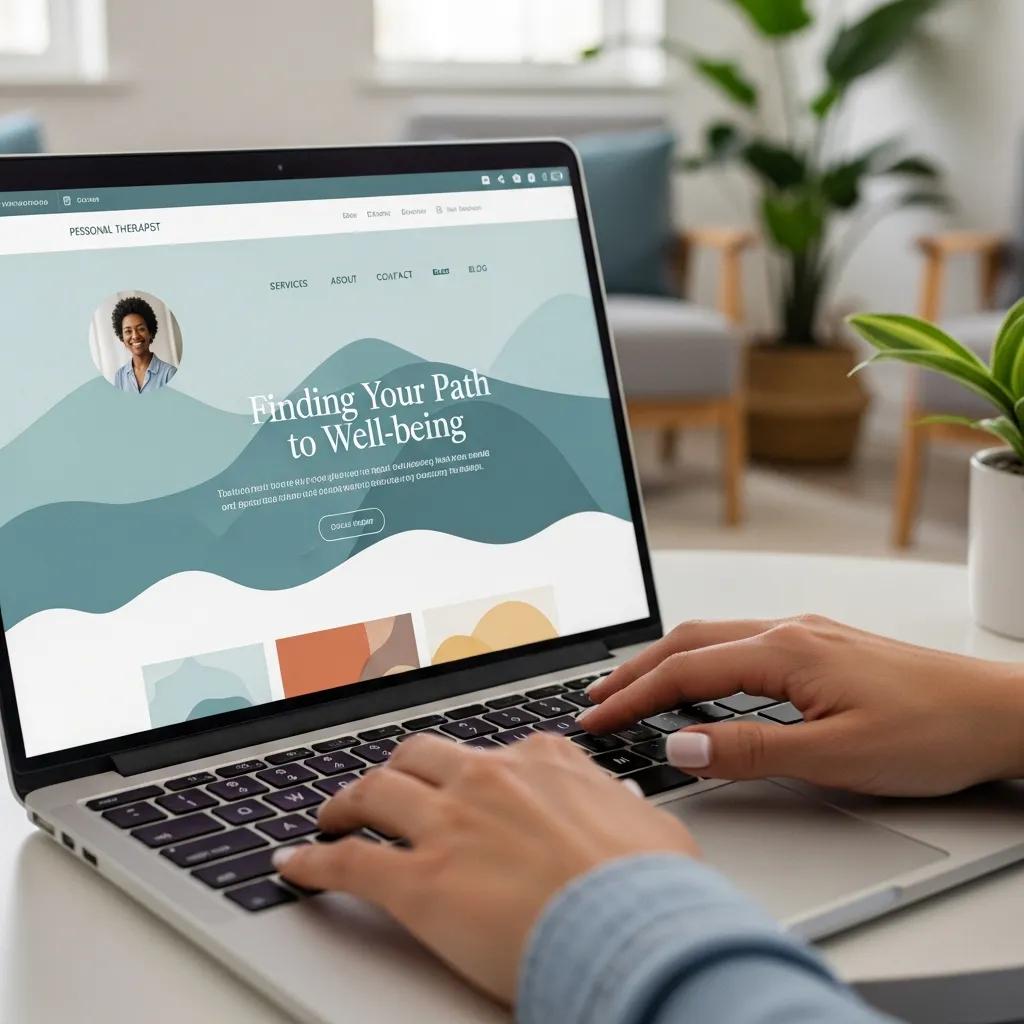
Trust and credibility are essential for therapists, yet directory listings often fall short in establishing these qualities. The impersonal nature of these platforms means that potential clients have limited information available to them, which can lead to skepticism about the therapist’s qualifications and approach. Furthermore, therapists have no control over how their profiles are presented, which can result in inconsistent branding and messaging. This lack of control can undermine the therapist’s ability to convey their unique value proposition, making it difficult to build trust with prospective clients.
Directory listings can significantly restrict client engagement and conversion rates. The limited content and engagement opportunities available on these platforms often fail to capture the attention of potential clients. Moreover, therapists relying solely on directory traffic for visibility may find themselves at the mercy of changing algorithms and competition from other listings. This dependence can lead to missed opportunities for meaningful interactions and conversions, as potential clients may not feel compelled to reach out based on a brief directory profile.
Owning a professional website offers numerous advantages for couples therapists, enhancing their ability to attract and retain clients. Key benefits include:
For couples therapists, these benefits translate into a more effective client acquisition strategy, ultimately leading to practice growth.

A custom website significantly enhances a therapist’s online presence and brand authority. By utilizing unique design elements and tailored content, therapists can create a distinctive brand identity that resonates with their target audience. This personalized approach not only improves credibility but also enhances search engine visibility, as search engines favor original content and well-structured websites. Furthermore, a custom website allows therapists to showcase their expertise, share valuable resources, and engage with clients through informative blog posts and articles.
A professional website can dramatically improve client acquisition and booking rates through several mechanisms. First, establishing credibility through a polished design can instill confidence in potential clients, encouraging them to reach out for services. Additionally, user experience enhancements, such as intuitive navigation and clear calls to action, lead to higher engagement rates. Integrating online booking systems simplifies the scheduling process, making it easier for clients to book appointments directly through the website, thus increasing conversion rates.
To maximize effectiveness, a couples therapist website should include several essential features:
These features not only enhance user experience but also contribute to building trust and facilitating client engagement.
Streamlining patient navigation is crucial for reducing friction and enhancing user experience on therapist websites. Key elements that contribute to this include:
By focusing on these elements, therapists can create a more engaging and user-friendly website that encourages potential clients to take action.
Integrating therapy-specific booking and client management tools can significantly enhance the functionality of a therapist’s website. Online booking systems allow clients to schedule appointments easily, while secure client portals ensure confidentiality and provide access to important resources. Additionally, integrating practice management software can streamline administrative tasks, such as appointment reminders and billing, allowing therapists to focus more on client care. These tools not only improve operational efficiency but also enhance the overall client experience.
Studies have also investigated how e-therapy websites, particularly for marriage and family therapists, characterize their services and adhere to ethical guidelines.
E-Therapy Websites: Service Characterization & Ethical Compliance for MFTs
The current survey of 83 e-therapy websites with marriage and family therapists examined what consumers seeking online therapy or therapy over the phone might find on the Internet. The study explored how e-therapy websites characterize their services and comply with the ethical guidelines of the American Association for Marriage and Family Therapy.
Characteristics and ethics of e-therapy websites with marriage and family therapists, 2016
Effective SEO and marketing strategies are essential for optimizing therapist websites and driving client growth. Key strategies include:
By implementing these strategies, therapists can enhance their online presence and attract more clients to their practices.
Indeed, the broader field of digital marketing strategies is crucial for mental health professionals seeking to expand their client base and promote awareness.
Digital Marketing Strategies for Mental Health Client Acquisition
The study explores the usefulness of digital marketing strategies (DMS) in promoting the awareness of mental health in Asia as it investigates relationships between DMS, ethics, feedback processes, target audiences, and marketing aims.
Effective Use of Digital Marketing in the Mental Health Industry, İS Mert, 2025
To optimize couples therapist websites for search engines, consider the following effective SEO tips:
These strategies can significantly enhance a therapist’s online visibility and attract more potential clients.
Conversion architecture and clinical user experience (UX) play a vital role in improving website performance for therapists. Clear calls to action, empathetic design, and intuitive navigation can lead to higher conversion rates by guiding visitors toward desired actions. Additionally, a well-structured website that prioritizes user experience can foster trust and encourage potential clients to engage with the therapist’s services. By focusing on these elements, therapists can create a website that not only attracts visitors but also converts them into clients.
Further research emphasizes the importance of user experience in specialized service websites, highlighting methods like user testing and heuristic evaluation to refine design.
Improving User Experience for Couple-Focused Service Websites
Leveraging the work done with Sexplore, the focus of the present thesis project encloses two key goals. For one side, it aims to improve the website’s User Experience by conducting User Tests and a Heuristic Evaluation.
Service and user experience design: application in a sex-positive service website focusing on couple sexual exploration, 2020
Successful couples therapist websites often showcase effective design features and client engagement strategies. For instance, many utilize clean layouts, engaging visuals, and informative content that resonates with their target audience. These websites often highlight testimonials and case studies, providing social proof that enhances credibility. By analyzing these successful examples, therapists can gain insights into effective design and content strategies that can be applied to their own websites.
Custom websites have been shown to increase booked consultations and practice growth significantly. By enhancing branding and credibility through professional design, therapists can attract more clients. Improved user experience, including streamlined navigation and integrated booking systems, leads to higher engagement and conversion rates. Additionally, effective SEO strategies can drive more traffic to the website, further increasing the likelihood of booked consultations. These factors combined demonstrate the tangible benefits of investing in a custom website for couples therapists.
Therapist website design case studies provide valuable insights into effective strategies and common pitfalls to avoid. Key lessons include the importance of prioritizing user experience, ensuring mobile responsiveness, and maintaining a consistent brand identity. Additionally, successful case studies often highlight the significance of integrating client feedback into website design and functionality. By learning from these examples, therapists can make informed decisions about their own website design and optimization strategies.
Implementing and monitoring a therapist website effectively involves several key steps. First, therapists should ensure that their website includes essential features such as secure client portals and online booking systems. Next, tracking tools like Google Analytics can provide insights into website performance, helping therapists identify areas for improvement. Regular content audits and updates are also crucial for maintaining relevance and optimizing for search engines. By following these steps, couples therapists can create a dynamic online presence that evolves with their practice.
Structured data and semantic SEO practices are essential for enhancing website visibility in search engines. Implementing structured data helps search engines understand the content and context of a website, improving indexing and search results. Semantic SEO focuses on optimizing content for user intent, ensuring that it aligns with the queries potential clients are making. By combining these practices, therapists can improve their website’s relevance and visibility, ultimately attracting more clients.
To track website success effectively, therapists should utilize various metrics and tools. Key metrics include website traffic, conversion rates, and user engagement levels. Tools like Google Analytics can provide detailed insights into visitor behavior, helping therapists understand how users interact with their website. Additionally, tracking key performance indicators (KPIs) such as appointment bookings and client inquiries can help therapists measure the effectiveness of their online presence. Regular content audits can also ensure that the website remains optimized and relevant to potential clients.