
In the digital age, a therapist’s website serves as a crucial touchpoint for potential clients. A well-designed user experience (UX) can significantly influence client bookings, making it essential for therapists to understand the principles of effective UX design. This article explores how clinical user experience drives more client bookings by enhancing navigation, engagement, and overall satisfaction. Readers will learn about key design principles, strategies for improving user engagement, and the role of website functionality in retaining clients. By addressing common pain points and providing actionable solutions, this guide aims to empower therapists to optimize their online presence.
Effective UX design for therapist websites hinges on several key principles that enhance user experience. These principles ensure that potential clients can easily navigate the site, find relevant information, and feel comfortable reaching out for services.
These design principles form the foundation of an effective therapist website, setting the stage for deeper engagement and client retention.
Further emphasizing the importance of foundational design, research highlights the core UX principles necessary for creating truly usable and accessible websites.
Core UX Principles for Usable & Accessible Websites
UX principles and practical methods for creating websites that are not only beautiful, but easy to use and fully accessible. Understanding the core principles of UX
UX for the Web: Build websites for user experience and usability, 2017
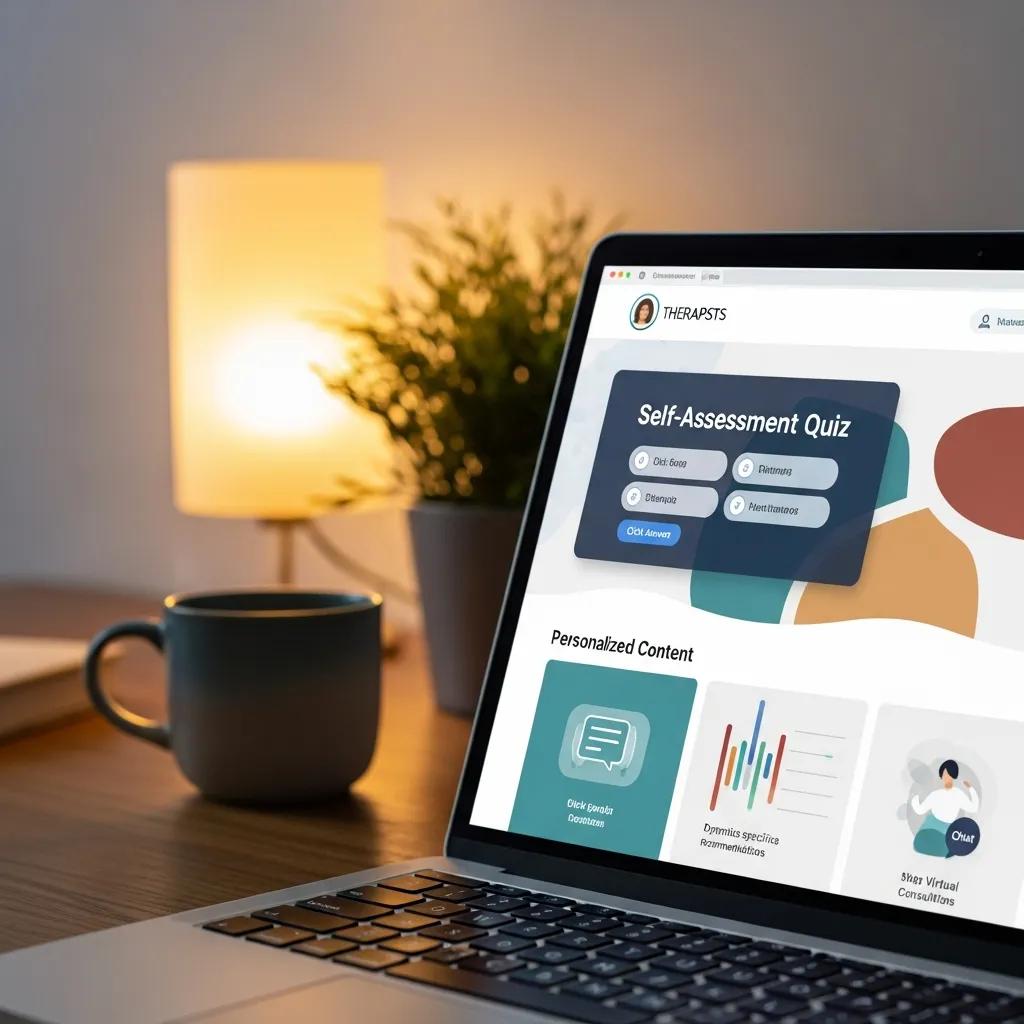
To further improve user engagement on therapist websites, several strategies can be implemented. These strategies focus on creating a more personalized and interactive experience for visitors.
Therapeia Web Design specializes in creating tailored web design solutions focused on enhancing user experience specifically for therapists, counselors, and mental health professionals. By implementing these strategies, therapists can create a more engaging online presence that encourages potential clients to take action.
Indeed, the integration of interactive elements like chatbots has been shown to significantly streamline processes and enhance user experience, particularly in booking therapy sessions.
Chatbots for Therapy Session Booking & Enhanced UX
Manual reservation processes present significant challenges in today’s fast-paced world, particularly in analyzing time slots and managing booked sessions. The rising adoption of chatbots has emerged as a solution to these challenges, with social media platforms like WhatsApp providing effective channels for communication. This study focuses on the development of a WhatsApp chatbot for therapy session reservations, utilizing Flask, MySQL, and the Twilio API. An admin interface has also been implemented to facilitate the onboarding of therapists and update the database. By storing user details, the system enhances convenience and personalization for users. The findings demonstrate that automated chatbots can effectively streamline tasks across different domains, including booking sessions, making reservations, and resolving queries. Ultimately, this research highlights the potential of chatbot automation in improving efficiency and user experience in therapy session management and beyond.
Bridging Technology and Therapy: A WhatsApp Chatbot for Booking Sessions Using Flask and Twilio, P Dhingra, 2025
Website functionality plays a critical role in retaining clients once they have engaged with a therapist’s services. A well-functioning website can enhance the overall client experience and encourage repeat visits.
By focusing on these functional aspects, therapists can create a website that not only attracts clients but also retains them over time.
Clinical user experience (UX) principles are essential for designing therapist websites that effectively meet the needs of clients. These principles focus on creating a user-friendly environment that promotes trust and accessibility.
By adhering to these clinical UX principles, therapists can create websites that not only attract visitors but also convert them into clients.
Clinical UX significantly enhances navigation and patient engagement by prioritizing user needs and preferences. A well-designed website can lead to a more satisfying user experience, ultimately resulting in higher conversion rates.
By focusing on these aspects, therapists can create a website that effectively engages clients and encourages them to seek services.
Understanding the specific needs of the mental health industry is crucial for shaping effective therapist website UX. These needs influence how websites are designed and what features are prioritized.
By addressing these industry-specific needs, therapists can create websites that effectively meet the expectations of potential clients.
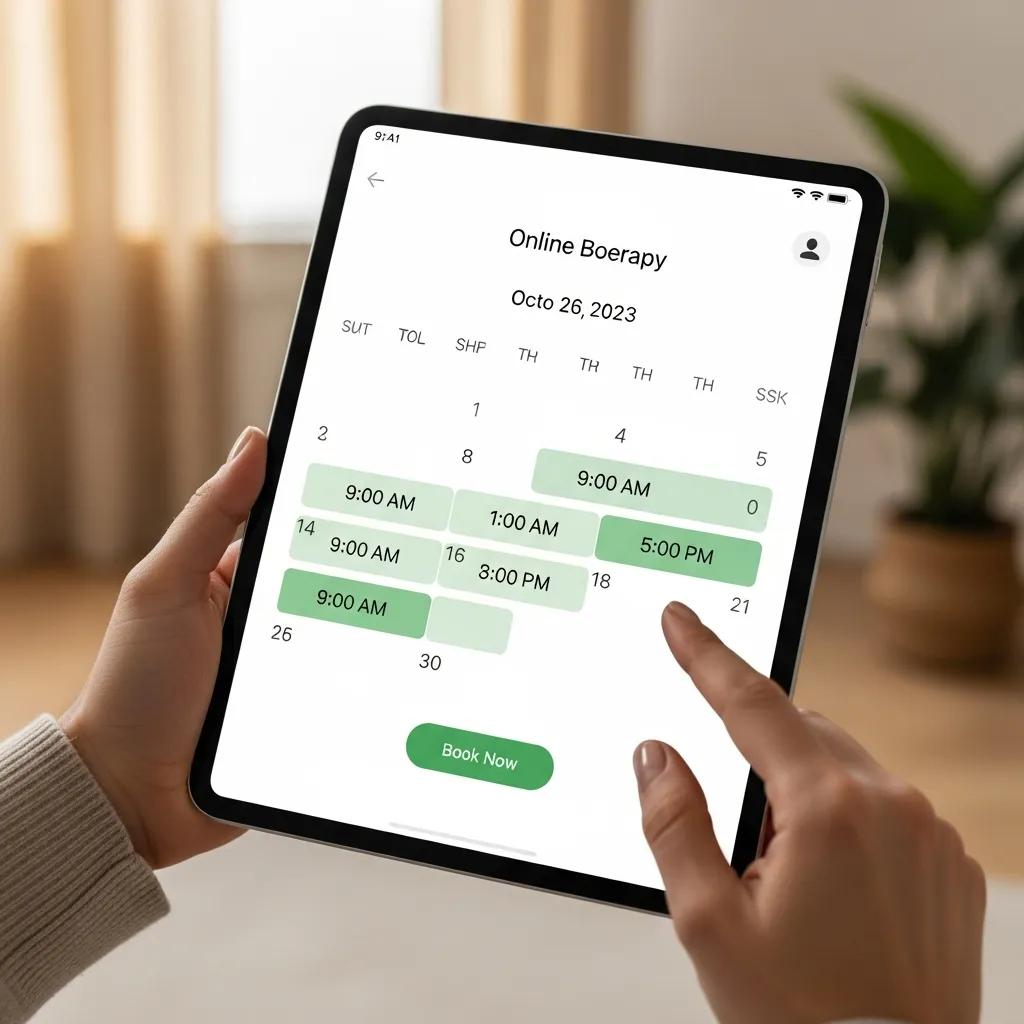
Integrating a booking system into a therapist’s website can significantly optimize conversions by simplifying the appointment scheduling process. A well-implemented booking system offers several advantages.
By leveraging these benefits, therapists can create a more efficient and effective online booking process that drives client engagement and retention.