Keep Your Therapy Website Up-to-Date for Continued Success

Therapist Website Maintenance: Why Ongoing Support Ensures Continuous Practice Growth

In the digital age, a therapist’s online presence is crucial for attracting and retaining clients. Ongoing website maintenance is not just a technical necessity; it is a strategic approach that fosters growth and enhances client trust. This article delves into the importance of therapist website maintenance, exploring how consistent support can keep practices visible, secure, and optimized for growth. Many therapists struggle with outdated websites that fail to engage potential clients or comply with necessary regulations. By investing in ongoing support, therapists can ensure their websites remain effective tools for practice growth. We will cover various aspects, including the role of website support services, the impact of professional upkeep on client trust, and the essential components of effective website management.
What Are Therapist Website Support Services and Their Role in Practice Growth?

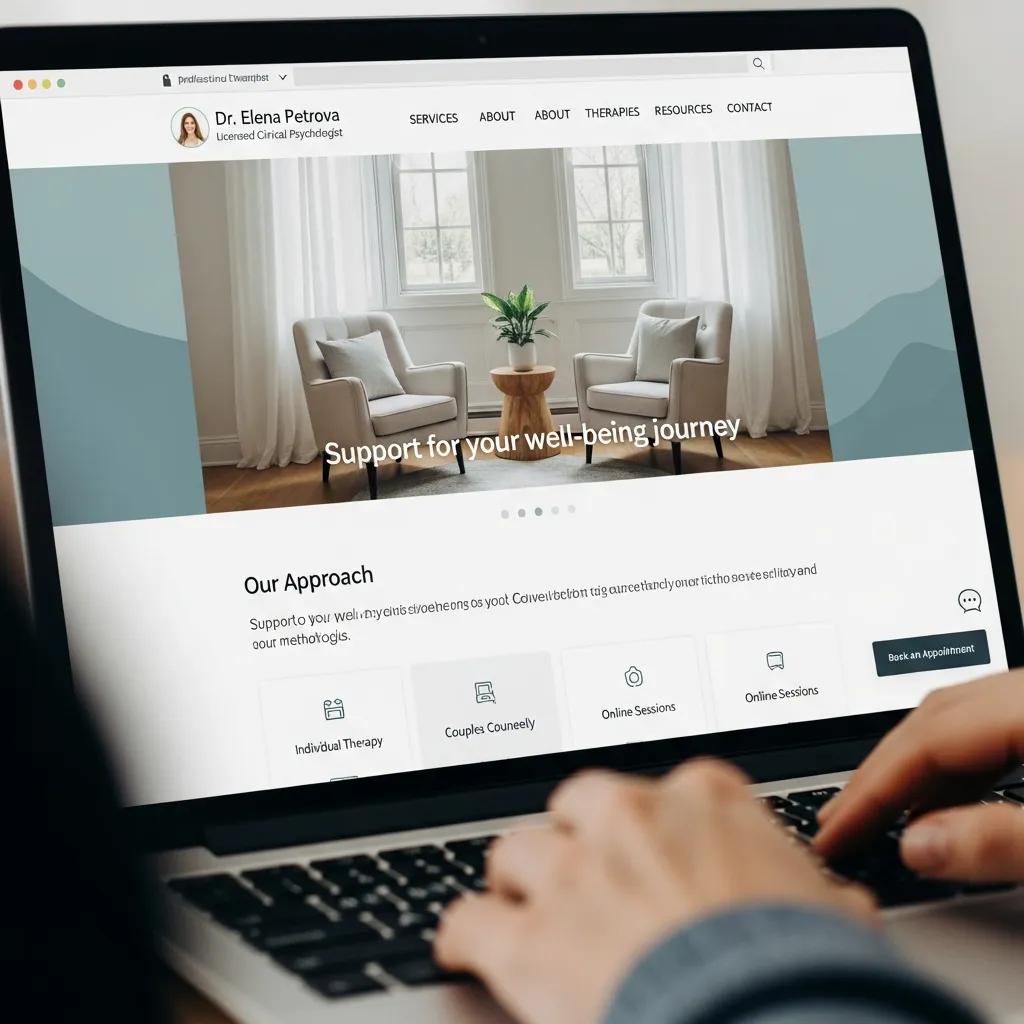
Computer screen showing a therapist website, emphasizing the role of website support services

Therapist website support services encompass a range of activities designed to maintain and enhance the functionality and appearance of therapy websites. These services include regular updates, security monitoring, performance optimization, and content management. By ensuring that a website is consistently updated and secure, therapists can significantly improve client engagement and retention.

  1. Regular Updates: Keeping content fresh and relevant helps attract new clients and retain existing ones.
  2. Security Monitoring: Protecting sensitive client information builds trust and complies with legal requirements.
  3. Performance Optimization: A well-functioning website enhances user experience, leading to higher conversion rates.

These support services are essential for therapists looking to grow their practices in a competitive digital landscape.

How Does Professional Website Upkeep for Therapists Enhance Client Trust?

Therapist engaging with a client, highlighting the importance of trust in professional relationships

Professional website upkeep plays a vital role in building client trust. A well-maintained website reflects professionalism and attention to detail, which are critical in the mental health field. When clients see that a therapist’s website is regularly updated and secure, they are more likely to feel confident in the services offered.

Indeed, the importance of user experience in mental health interventions is a well-researched area, highlighting its impact on client engagement and adoption.

Enhancing Mental Health Website Engagement with UX Design

User experience (UX) plays a key role in uptake and usage of mental health smartphone interventions, yet remains underinvestigated. This review aimed to characterize and compare UX evaluation approaches that have been applied in this specific context, and to identify implications for research and practice.

A narrative review of methods for applying user experience in the design and assessment of mental health smartphone interventions, K Huckvale, 2020
  1. Importance of Security: Regular security updates protect client data, which is paramount in maintaining trust.
  2. User Experience Enhancements: A smooth, user-friendly website encourages potential clients to engage with the content and services.
  3. Compliance with Regulations: Adhering to legal standards, such as HIPAA, reassures clients that their privacy is respected.

By prioritizing website maintenance, therapists can foster a trustworthy online environment that encourages client engagement.

Why Is Ongoing Website Management Essential for Mental Health Website Maintenance?

Ongoing website management is crucial for mental health websites due to the unique challenges they face. These websites must not only attract clients but also ensure compliance with various regulations and maintain a high level of security.

  1. Security Measures: Regular updates and monitoring help prevent data breaches and cyber threats.
  2. Compliance Requirements: Adhering to HIPAA and other regulations is essential for protecting client information.
  3. User Experience Improvements: Continuous management ensures that the website remains user-friendly and accessible.

Without ongoing management, therapists risk losing clients due to outdated information or security vulnerabilities.

What Are the Key Components of Effective Therapy Practice Website Updates?

Effective therapy practice website updates involve several key components that ensure the site remains relevant and engaging. These components include content relevance, SEO optimization, and user experience design.

  1. Content Relevance: Regularly updating blog posts and service descriptions keeps the website fresh and informative.
  2. SEO Optimization: Implementing SEO best practices helps improve visibility in search engine results, attracting more potential clients.
  3. User Experience Design: A well-designed website enhances navigation and encourages client interaction.

By focusing on these components, therapists can create a dynamic online presence that supports practice growth.

How Does Regular Website Support Prevent Downtime and Security Breaches?

Regular website support is essential for preventing downtime and security breaches, both of which can have detrimental effects on a therapy practice.

  1. Security Updates: Regularly applying security patches protects against vulnerabilities that could be exploited by cybercriminals.
  2. Performance Monitoring: Continuous monitoring helps identify and resolve issues before they lead to downtime.
  3. Backup Strategies: Implementing regular backups ensures that data can be restored quickly in case of an incident.

These proactive measures are vital for maintaining a reliable online presence that clients can trust.

How Do Security and Compliance Impact Therapist Website Maintenance?

Security and compliance are critical aspects of therapist website maintenance. The mental health field is subject to strict regulations regarding client data protection, making it essential for therapists to prioritize these areas.

  1. Importance of Data Protection: Ensuring that client information is secure builds trust and complies with legal requirements.
  2. Compliance with HIPAA: Adhering to HIPAA regulations is crucial for protecting sensitive information and avoiding legal repercussions.
  3. Impact on Client Trust: A secure and compliant website fosters confidence among clients, encouraging them to seek services.

By focusing on security and compliance, therapists can create a safe online environment for their clients.

What Are HIPAA and Privacy Requirements for Therapy Websites?

HIPAA and privacy requirements are fundamental for therapy websites, as they dictate how client information must be handled and protected.

  1. Data Encryption: Encrypting sensitive information ensures that it remains confidential and secure.
  2. Access Controls: Implementing strict access controls limits who can view and manage client data.
  3. Privacy Policies: Clearly outlining privacy policies helps clients understand how their information will be used and protected.

By adhering to these requirements, therapists can maintain compliance and build trust with their clients.

How Does Ongoing Maintenance Protect Against Increasing Healthcare Website Security Threats?

Ongoing maintenance is essential for protecting therapy websites against increasing security threats in the healthcare sector.

  1. Regular Updates: Keeping software and plugins updated helps close security gaps that could be exploited.
  2. Security Patches: Applying security patches promptly protects against known vulnerabilities.
  3. Data Integrity: Regular maintenance ensures that client data remains accurate and secure.

By prioritizing ongoing maintenance, therapists can safeguard their websites against evolving security threats.

What SEO and Performance Optimization Strategies Support Therapy Practice Growth?

SEO and performance optimization strategies are vital for supporting therapy practice growth. These strategies help improve visibility and attract more clients.

  1. Keyword Research: Identifying relevant keywords helps optimize content for search engines.
  2. On-Page SEO: Implementing on-page SEO techniques enhances the website’s search engine ranking.
  3. Local SEO: Focusing on local SEO strategies helps therapists reach potential clients in their area.

By employing these strategies, therapists can increase their online visibility and attract more clients.

How Can SEO-Optimized Maintenance Increase Therapy Website Traffic?

SEO-optimized maintenance can significantly increase therapy website traffic by improving search engine rankings and user experience.

Research further supports the direct correlation between effective SEO strategies and increased client acquisition for health services.

SEO for Therapists: Attracting Clients via Google Search

Furthermore, the provision of questionnaires to patients and business partners aims to determine the response or responses of patients and business partners to search engine optimization (SEO) or websites that are aspects of their interest in using Griya Husada Clinic health services. This study concluded that patients and business partners who were respondents indicated that they were aware of the Griya Husada Clinic and its health services through a search on the Google search engine. services on search engines (SEO) such as Google attract customers to use the services of the Griya Husada Clinic with a percentage rate of 90% which is included in the Very High

Utilization of Search Engine Optimization (SEO) and Websites in Brand Building Awareness in Health Institutions:(Study Case Klinik Griya Husada), I Malik, 2024
  1. Increased Visibility: Optimizing content for search engines helps attract more visitors to the website.
  2. Enhanced User Experience: A well-maintained website encourages visitors to stay longer and explore services.
  3. Long-Term Client Acquisition: Consistent traffic growth leads to more potential clients discovering the practice.

By focusing on SEO-optimized maintenance, therapists can create a sustainable flow of new clients.

Why Is Website Speed and Mobile Optimization Critical for Therapist Websites?

Website speed and mobile optimization are critical for therapist websites, as they directly impact user experience and engagement.

  1. User Experience: A fast-loading website keeps visitors engaged and reduces bounce rates.
  2. Client Engagement: Mobile optimization ensures that clients can access services on any device, enhancing accessibility.
  3. SEO Benefits: Search engines prioritize fast and mobile-friendly websites, improving search rankings.

By prioritizing speed and mobile optimization, therapists can create a more effective online presence.

How Do Content Updates and Client Engagement Drive Success in Therapist Website Maintenance?

Content updates and client engagement are key drivers of success in therapist website maintenance.

  1. Regular Content Updates: Fresh content keeps the website relevant and encourages repeat visits.
  2. Building Trust: Engaging content fosters a connection with potential clients, building trust and credibility.
  3. Engaging Potential Clients: Interactive features, such as blogs and newsletters, encourage client interaction and feedback.

By focusing on content updates and engagement, therapists can enhance their online presence and attract more clients.

What Types of Content Updates Keep Therapy Websites Relevant and Engaging?

Keeping therapy websites relevant and engaging requires various types of content updates.

  1. Regular Blog Posts: Sharing insights and tips helps establish authority and keeps content fresh.
  2. Service Updates: Informing clients about new services or changes keeps them informed and engaged.
  3. Client Testimonials: Showcasing positive feedback builds trust and encourages potential clients to reach out.

By implementing these content updates, therapists can maintain an engaging online presence.

How Does Ongoing Support Streamline Patient Navigation and Conversion?

Ongoing support is essential for streamlining patient navigation and conversion on therapy websites.

  1. Continuous Updates: Regularly updating content ensures that information is accurate and accessible.
  2. User-Friendly Design: A well-designed website enhances navigation, making it easier for clients to find information.
  3. Encouraging Engagement: Interactive features, such as appointment scheduling, facilitate client interaction and conversion.

By prioritizing ongoing support, therapists can create a seamless experience for potential clients.

What Case Studies and Success Stories Demonstrate the Impact of Professional Website Maintenance?

Case studies and success stories highlight the significant impact of professional website maintenance on therapy practices.

  1. Increased Client Retention: Practices that prioritize maintenance report higher client retention rates due to improved user experience.
  2. Improved Online Presence: Regular updates and SEO optimization lead to enhanced visibility and engagement.
  3. Positive Client Feedback: Clients appreciate the professionalism and reliability of well-maintained websites.

These success stories demonstrate the tangible benefits of investing in ongoing website maintenance.

How Have Therapy Practices Grown Through Continuous Website Support?

Continuous website support has been instrumental in the growth of many therapy practices.

  1. User Experience Improvement: Ongoing support ensures that websites remain user-friendly and accessible.
  2. SEO and Visibility: Regular optimization leads to improved search engine rankings and increased traffic.
  3. Client Engagement: Engaging content and features foster a connection with potential clients, driving growth.

By investing in continuous support, therapists can achieve sustainable growth in their practices.

What Client Testimonials Highlight the Benefits of Therapeia Web Design’s Maintenance Services?

Client testimonials provide valuable insights into the benefits of Therapeia Web Design’s maintenance services.

  1. Client Satisfaction: Many clients report high satisfaction levels due to the professionalism and responsiveness of the support team.
  2. Ease of Use: Clients appreciate the user-friendly design and functionality of their websites.
  3. Positive Experiences: Testimonials often highlight the positive impact of ongoing support on their practice growth.

These testimonials underscore the importance of professional website maintenance in the therapy field.