
In the competitive landscape of therapy services, establishing trust is paramount for attracting and retaining clients. Trust signals on your therapy website play a crucial role in influencing potential clients’ decisions. This article will explore how to effectively utilize trust signals to enhance your website’s credibility and increase client inquiries. By understanding the importance of these elements, therapists can create a more inviting online presence that alleviates client hesitations and fosters confidence. We will cover the significance of trust signals, various types of trust badges and certifications, strategies for showcasing client testimonials, and essential security features that can enhance client trust.
Indeed, research consistently highlights trust as a fundamental driver of consumer engagement with online platforms.
Building Website Trust for Consumer Engagement
Trust is a key factor in consumer decisions about website engagement. Consumers will engage with sites they deem trustworthy and turn away from those they mistrust.
A framework for understanding trust factors in web-based health advice, E Sillence, 2006
Trust signals are essential components of a therapy website, as they directly influence client decisions. A trustworthy website alleviates client hesitations, making them more likely to reach out for services. By incorporating trust signals, therapists can create a credible online presence that fosters client confidence. This is particularly important in the mental health field, where clients often seek reassurance before engaging with a professional.
Therapeia Web Design specializes in creating professional, trust-enhancing websites tailored for therapists, counselors, life coaches, and mental health professionals. By focusing on trust signals, therapists can significantly improve their client engagement and conversion rates.
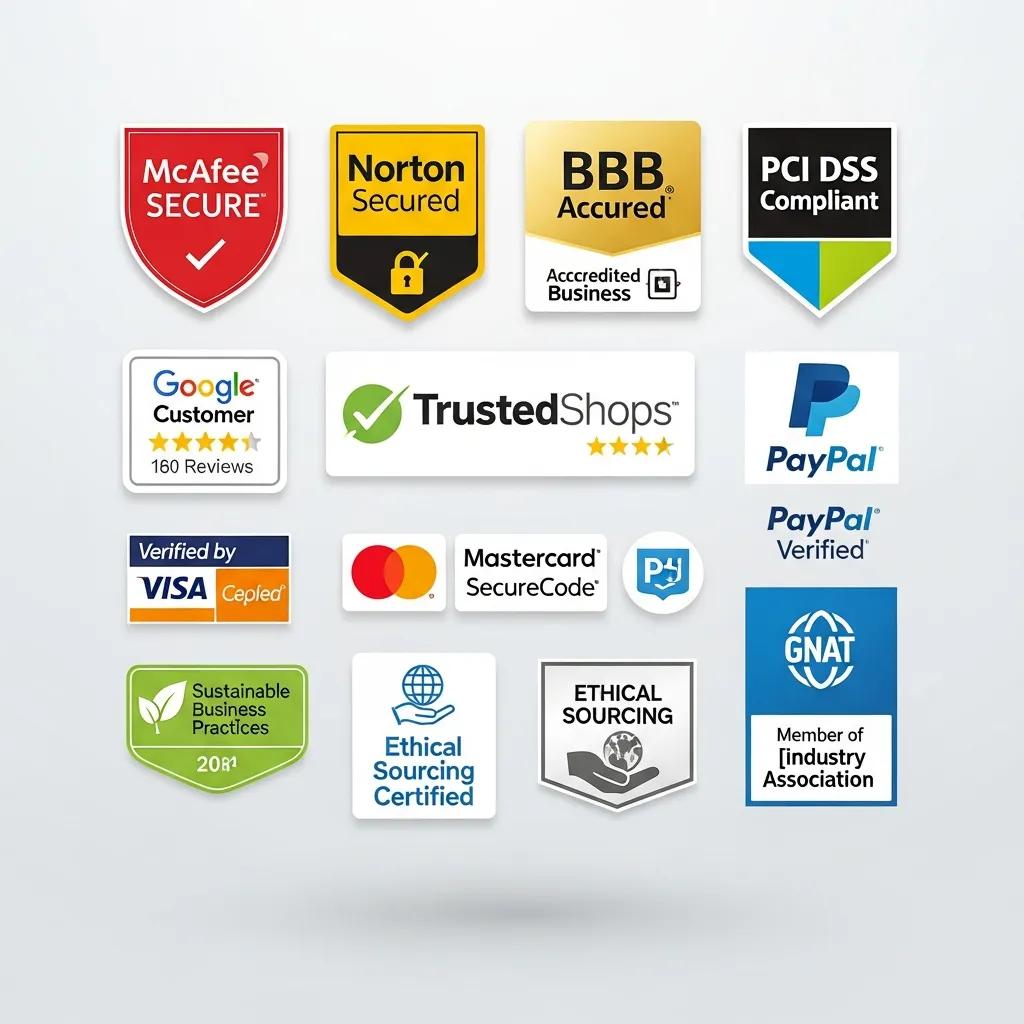
Various trust badges and certifications can enhance the credibility of a therapy website. These elements serve as visual cues that reassure potential clients about the professionalism and reliability of the services offered. Some key types of trust badges include:
Understanding the impact of these trust badges is crucial for therapists looking to establish a strong online presence.
| Trust Badge Type | Description | Impact on Client Trust |
|---|---|---|
| Professional Credentials | Licenses and certifications displayed prominently | High |
| Membership Badges | Affiliations with recognized organizations | Medium |
| Ethical Statements | Clear communication of ethical practices | High |
This table illustrates how different trust badges can influence client perceptions and enhance overall trust in therapy services.

Client testimonials are powerful trust signals that can significantly influence potential clients’ decisions. Here are effective strategies for displaying testimonials on your therapy website:
By effectively showcasing client testimonials, therapists can build a compelling narrative that resonates with prospective clients.
However, it is crucial to consider the ethical implications and potential pitfalls associated with collecting and displaying client testimonials, especially in online therapy contexts.
Ethical Guidelines for Client Testimonials in Online Therapy
of client testimonials in online therapy platforms. Drawing on ethical guidelines and recent incidents involving online counseling
Silent threats: The unchecked exploitation of client testimonials in online therapy service platforms, ENS Lockhart, 2025
The most effective client testimonials are those that address specific concerns or highlight particular benefits of therapy. Testimonials that mention:
Integrating testimonials into your website can be done through various formats:
Security features are vital for enhancing client trust on therapy websites. Here are essential security elements to consider:
Security badges and SSL certificates serve as visual indicators of a website’s safety. When potential clients see these badges, they are more likely to feel secure in providing their personal information. This confidence can lead to increased inquiries and a higher likelihood of engagement with therapy services.
Research further underscores the critical role of proper SSL/TLS implementation in maintaining secure communication and user trust.
HTTPS & SSL for Website Security and User Trust
The rapid expansion of web-based services has heightened the importance of secure communication channels to protect sensitive data and ensure user trust. HTTPS, supported by SSL/TLS certificates, has become the de facto standard for securing websites; however, improper implementation and misconfigured certificates continue to expose systems to vulnerabilities.
Implementation and Security Analysis on Websites Using HTTPS and SSL Certificates, 2025
Implementing user-friendly design practices can significantly improve client navigation on therapy websites. Key practices include:
By focusing on these design elements, therapists can create a seamless experience that encourages client inquiries.
Professional certifications and trust badges validate a therapist’s expertise and commitment to ethical practices. Displaying these elements prominently on a website can enhance credibility and reassure potential clients about the quality of care they can expect.
Some of the most recognized certifications that can enhance a therapist’s credibility include:
These certifications are widely recognized and can significantly impact a potential client’s decision-making process.
To effectively display trust badges, therapists should:
By following these strategies, therapists can enhance their website’s credibility and encourage more client inquiries.