
Integrating online booking into your therapy website can significantly enhance client convenience and streamline practice operations. This guide will walk you through the essential steps to effectively implement an online booking system tailored for private practices. By adopting this technology, therapists can improve client satisfaction, reduce administrative burdens, and increase appointment rates. Many private practices struggle with managing appointments efficiently, leading to missed opportunities and client frustration. This article will cover the benefits of online booking, key features to look for in scheduling platforms, and a step-by-step guide to integration.
Integrating online booking into therapy practices offers numerous advantages that can transform client interactions and operational efficiency. First, it significantly improves client convenience by allowing them to schedule appointments at their leisure, reducing the back-and-forth communication often required for scheduling. Second, practices often see increased appointment rates as clients are more likely to book sessions when they can do so easily online. Lastly, operational efficiency is enhanced as therapists can automate reminders and confirmations, minimizing no-shows and last-minute cancellations.
For private practices looking to enhance their service offerings, integrating an online booking system can be a game-changer. By streamlining the appointment process, therapists can focus more on client care rather than administrative tasks.
Indeed, research confirms that well-designed patient appointment systems significantly enhance service quality by reducing wait times and optimizing professional availability.
Optimizing Patient Appointment Systems for Service Quality
Research indicates that effective patient appointment systems, utilizing sophisticated queuing models, can improve service quality by decreasing patient wait times and optimizing physician availability.
A web-based integrated health care management system, M Al-khawlani, 2009

Online scheduling enhances the client experience by providing greater accessibility and flexibility. Clients can book appointments outside of regular office hours, which is particularly beneficial for those with busy schedules. This accessibility leads to improved client retention, as clients appreciate the ease of managing their appointments.
Additionally, online scheduling reduces the administrative burden on therapists and their staff. By automating appointment confirmations and reminders, practices can save time and reduce the likelihood of human error. This efficiency allows therapists to dedicate more time to their clients, ultimately improving the quality of care provided.
When selecting a therapy client scheduling platform, several key features should be prioritized to ensure it meets the needs of both therapists and clients. Essential features include:
The development of secure, HIPAA-compliant patient portals is crucial for facilitating real-time data synchronization and enabling clients to manage their appointments safely.
Secure HIPAA Patient Portals for Appointment Updates
This paper is an attempt to provide a safe architectural design of developing HIPAA-compliant patient portals to be used to facilitate real-time data synchronization across clouded clinical systems. The paper discusses secure frontend-backend integration, use of encrypted APIs, role-based access controls, and asynchronous data processing methods to guarantee timely and secure delivery of sensitive patient data, e.g. lab results and appointment updates.
A secure architecture for real-time data exchange in HIPAA-compliant patient portals, 2022
These features not only enhance the user experience but also contribute to the overall efficiency of the practice.
| Feature | Description | Benefit |
|---|---|---|
| Online Scheduling | Clients can book appointments anytime | Increases appointment rates |
| Client Portals | Secure access for clients to manage appointments | Enhances client engagement |
| Automated Reminders | Sends notifications to clients before appointments | Reduces no-shows |
Several online scheduling tools are particularly well-suited for private therapy practices. Some of the top options include:
These tools can help streamline the appointment process and improve overall practice management.
When evaluating booking software for therapy practices, it is crucial to consider both features and compliance with regulations such as HIPAA. Key aspects to compare include:
By carefully assessing these factors, therapists can select a booking system that not only meets their operational needs but also ensures client confidentiality.
HIPAA compliance is a critical consideration when implementing an online booking system for therapy practices. Key compliance aspects include:
By prioritizing these compliance measures, therapists can safeguard their clients’ privacy while utilizing online booking systems.
Further research emphasizes the importance of a robust framework for HIPAA-compliant web applications, particularly for telehealth systems, to ensure comprehensive data protection.
HIPAA-Compliant Web Design for Telehealth Systems
This paper proposes a comprehensive, HIPAA-compliant web application design framework specifically tailored for next-generation telehealth systems, addressing critical requirements including data encryption, access control, audit logging, secure communication protocols, and breach notification mechanisms (Seh et al., 2020).
A HIPAA-Compliant Web Application Design Framework For Next-Generation Telehealth Systems, SS Akib Rahman, 2024
Integrating an online booking system into your therapy website involves several key steps:
By following these steps, therapists can successfully implement an online booking system that enhances their practice.
To ensure a smooth appointment scheduling process, focus on creating a user-friendly interface. Key strategies include:
These strategies can help create a positive user experience, encouraging clients to utilize the online booking system.
When integrating an online booking system, therapists may encounter common issues. Some of these include:
By proactively addressing these challenges, therapists can maintain a reliable online booking system.
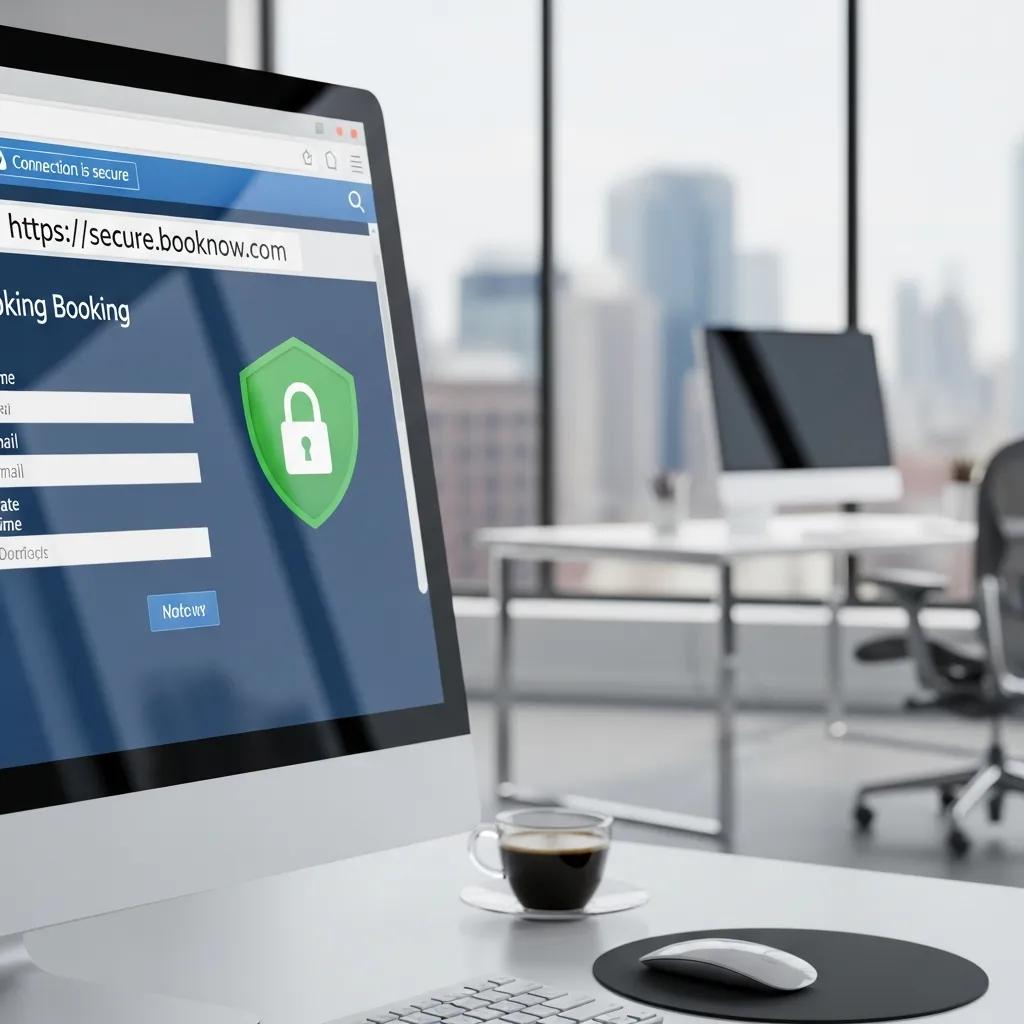
Maintaining security and privacy in your therapy scheduling platform is paramount. Key measures include:
By implementing these security measures, therapists can protect their clients’ sensitive information while providing a convenient online booking experience.