
The cost of a therapist website can vary significantly based on several factors, including design complexity, functionality, and compliance requirements. This article aims to provide a comprehensive guide on the pricing associated with therapist website design, helping private practice owners understand what to expect when budgeting for their online presence. By exploring key factors influencing costs, typical pricing tiers, and essential features, therapists can make informed decisions that align with their business goals. As the demand for online therapy services continues to grow, having a well-designed website is crucial for attracting and retaining clients. This guide will cover the main aspects of therapist website costs, including design complexity, compliance features, ongoing maintenance, and how to choose the right web design service.
Several key factors influence the costs associated with therapist websites. Understanding these elements can help private practice owners budget effectively and make informed decisions about their online presence.
These factors collectively determine the final cost of a therapist website, making it essential for practitioners to evaluate their specific needs and budget accordingly.

The complexity and level of customization of a therapist website significantly impact its pricing. Custom designs, tailored to reflect the therapist’s brand and services, are generally more expensive than template-based options.
Custom designs enhance branding and user experience, which can lead to better client engagement. However, the more complex the design, the higher the costs associated with development and maintenance. Therefore, therapists must weigh the benefits of a unique design against their budget constraints.
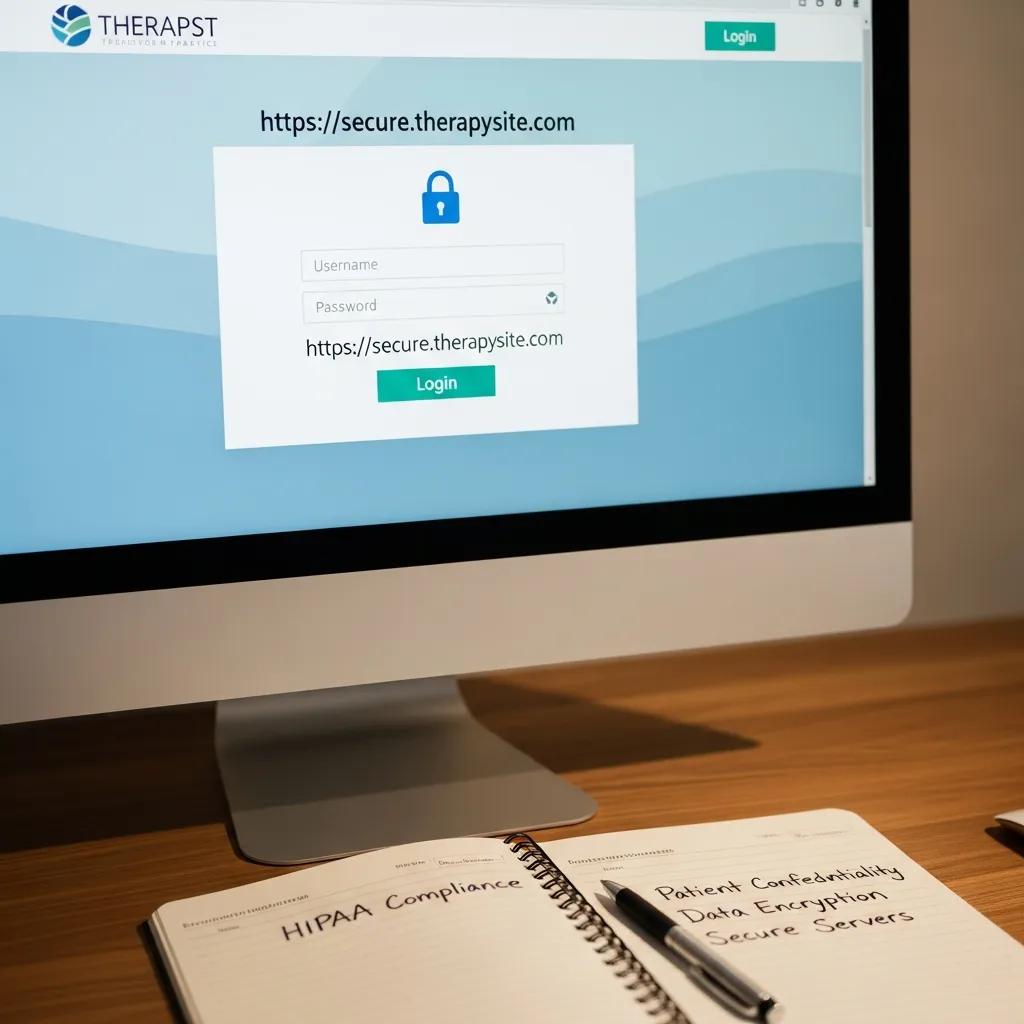
Compliance and security are critical components of therapist websites, particularly due to the sensitive nature of client information. Websites must adhere to HIPAA regulations, which can increase costs due to the need for secure hosting and data protection measures.
Security features, such as SSL certificates and secure payment gateways, are essential for protecting client data. The expertise required to implement these features can also contribute to higher pricing. Thus, therapists should prioritize compliance and security when budgeting for their websites.
When considering web design services, therapists can expect to encounter various pricing tiers based on the complexity and features of the website. Here’s a breakdown of typical pricing tiers:
| Pricing Tier | Description | Estimated Cost |
|---|---|---|
| Basic | Template-based design with essential features | $1,000 – $3,000 |
| Standard | Custom design with additional functionalities | $3,000 – $6,000 |
| Premium | Fully customized website with advanced features | $6,000 – $12,000 |
These tiers provide a general framework for understanding the costs associated with different levels of web design services.
Each pricing tier typically includes a different set of features, which can influence the overall cost. Here’s a summary of what to expect in each package:
Understanding these features can help therapists choose the right package that meets their needs and budget.
Online booking systems and SEO services are crucial for enhancing client satisfaction and visibility. Implementing an online booking system can streamline appointment scheduling, making it easier for clients to access services. However, these systems can add to the overall cost of website development.
Research highlights the significant role of e-booking systems in improving the efficiency and profitability of private medical practices.
E-Booking Systems for Private Practice Efficiency
One of the keys to efficiency, productivity, and profitability in private medical practices is linked to the appointment scheduling system. Managing appointments in private medical practices and ambulatory care settings is a complex process. E-booking systems, which allow patients to schedule and manage medical appointments online, represents such a strategy.
Adoption, use, and impact of e-booking in private medical practices: mixed-methods evaluation of a two-year showcase project in Canada, G Paré, 2014
SEO services are essential for improving search engine rankings and attracting potential clients. The costs associated with SEO can vary based on the competitiveness of the market and the strategies employed. Therapists should consider these factors when budgeting for their websites.
Ongoing maintenance is a vital aspect of managing a therapist website. Regular updates, security checks, and content management are necessary to ensure the website remains functional and secure.
Therapists should budget for monthly maintenance costs, which can range from $100 to $600, depending on the complexity of the website and the services provided. Additionally, SEO and content marketing expenses should be factored into the overall budget to maintain online visibility and engagement.
Website hosting and security updates are essential for maintaining a therapist’s online presence. Hosting costs can vary based on the provider and the level of service, typically ranging from $20 to $100 per month.
Security updates are crucial for protecting client data and ensuring compliance with regulations. Therapists should allocate a portion of their budget for these ongoing expenses to maintain a secure and reliable website.
Investing in SEO and content updates is vital for the long-term success of a therapist’s website. Typical monthly SEO service costs can range from $300 to $2,000, depending on the scope of services provided.
Content marketing fees, which may include blog writing and social media management, can also add to the overall budget. Therapists should consider these ongoing costs when planning their marketing strategies.
Choosing the right web design service involves evaluating several factors, including design complexity, functionality requirements, and budget constraints. Therapists should consider the following tips:
By following these steps, therapists can make informed decisions that align with their budget and business goals.
When interviewing potential web designers, therapists should ask key questions to ensure they choose the right partner for their website project. Important questions include:
These questions can help therapists gauge the designer’s expertise and suitability for their specific needs.
Investing in professional web design can significantly impact client acquisition for therapists. A well-designed website enhances branding and user experience, making it easier for potential clients to navigate and access services.
Moreover, effective SEO and digital marketing strategies can improve online visibility, attracting more clients to the practice. Ultimately, a professional website serves as a powerful tool for client engagement and retention.