Frequently Asked Questions
How can I create a website for my therapy practice?
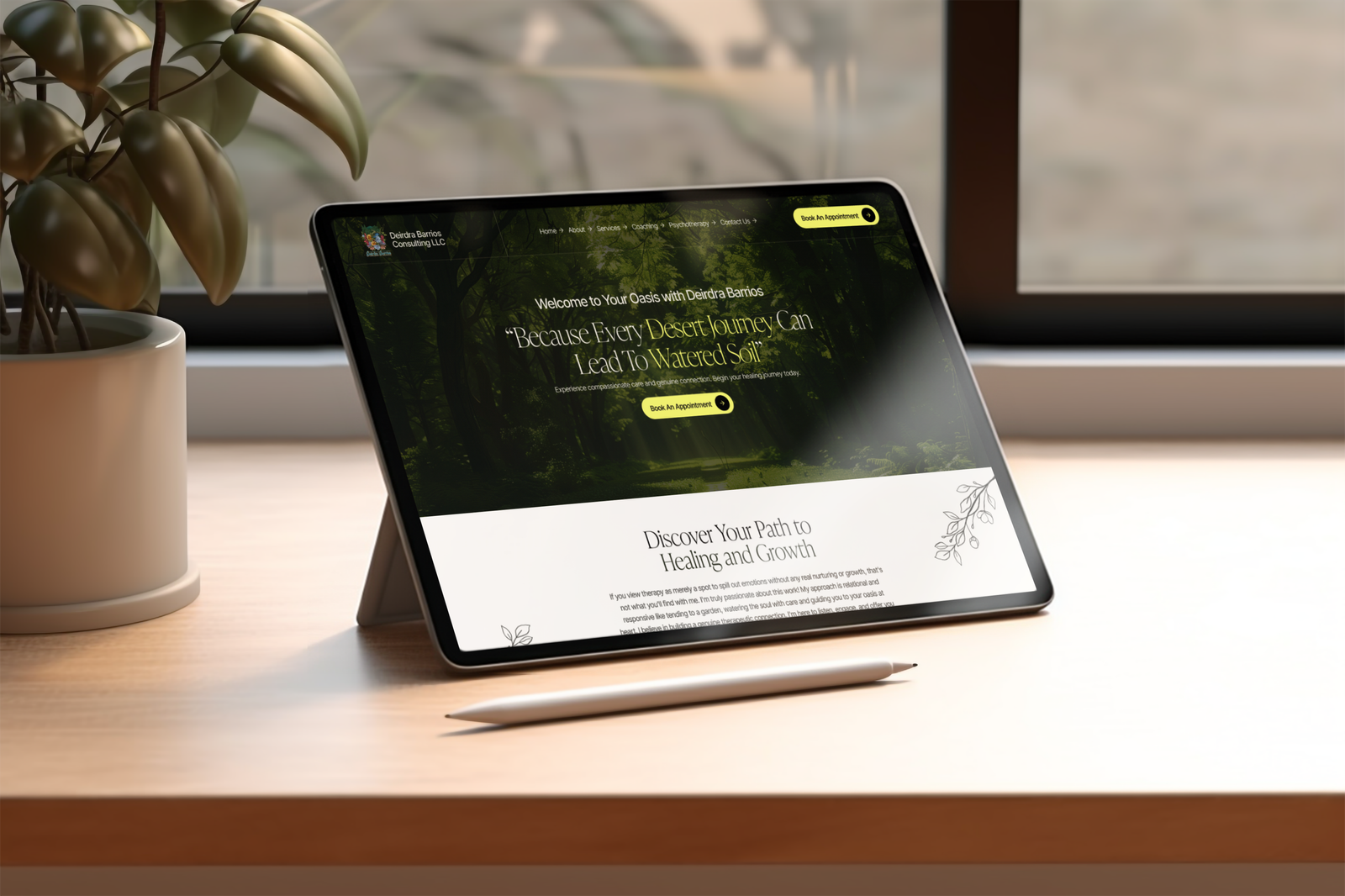
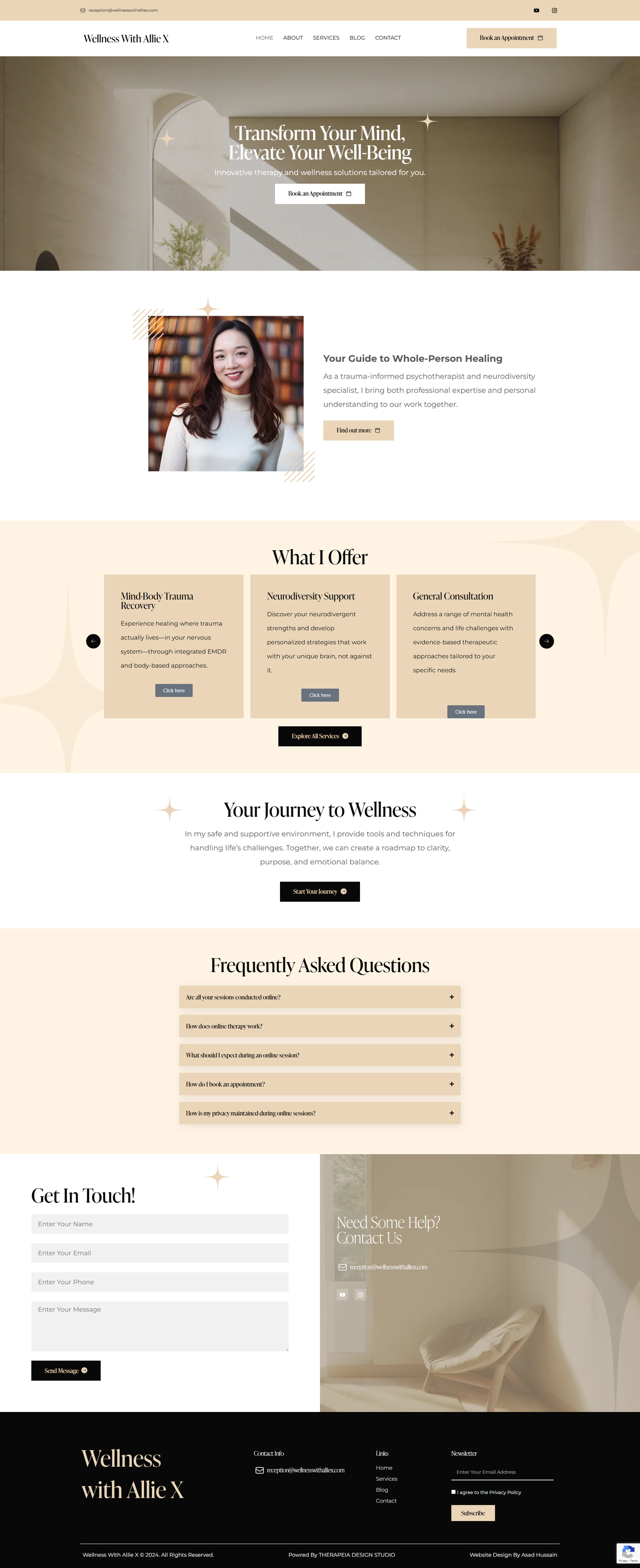
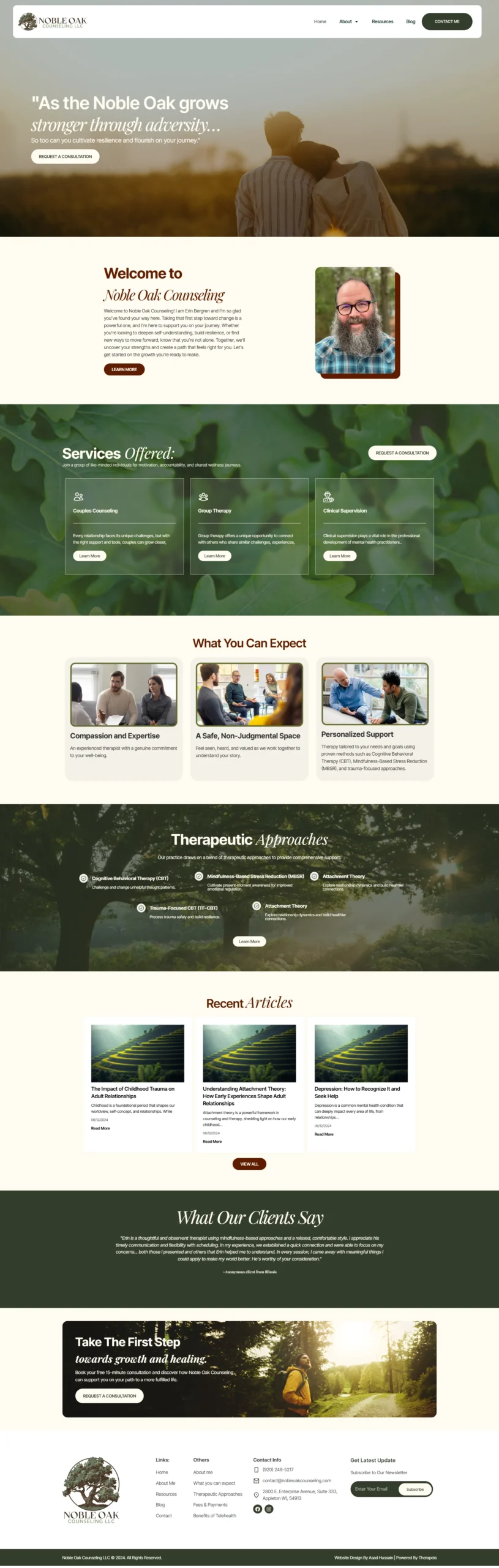
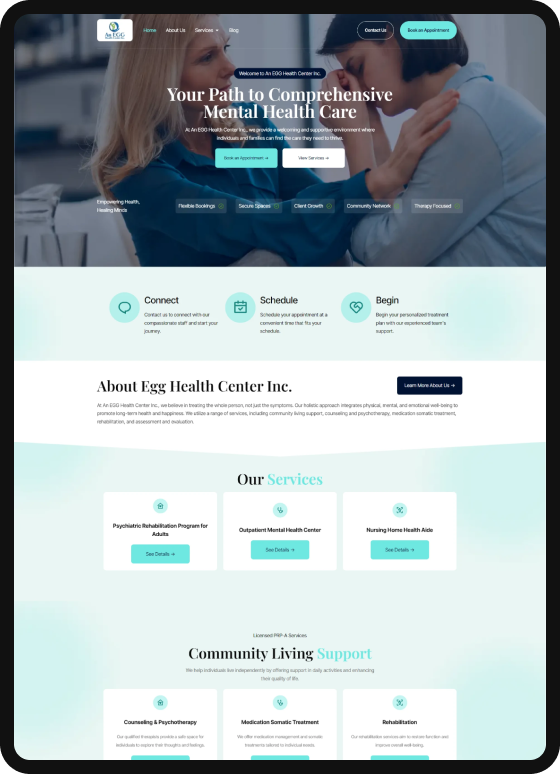
Creating a website for your therapy practice involves choosing a user-friendly platform, selecting a calming design that reflects your values, and including essential information about your services, contact details, and client resources to foster trust and engagement.
What features should a wellness professionals website include?
A wellness professional's website should include features such as an intuitive layout, service descriptions, online booking options, client testimonials, a blog for resources, and contact information to enhance user engagement and trust.
How does web design impact client engagement for therapists?
The impact of web design on client engagement for therapists is significant. A well-designed website fosters trust, provides essential information, and creates an inviting atmosphere, encouraging potential clients to connect and engage with the therapist's services.
What are the benefits of having a professional website for my practice?
The benefits of having a professional website for your practice include enhancing your online presence, building trust with potential clients, showcasing your services, and facilitating easy communication, ultimately attracting more clients to your practice.
How can I showcase my services effectively on my website?
Showcasing your services effectively on your website involves clearly outlining each service with detailed descriptions, utilizing engaging visuals, and incorporating client testimonials to build trust. Ensure easy navigation and a compelling call to action to encourage inquiries.
What design elements attract therapy clients?
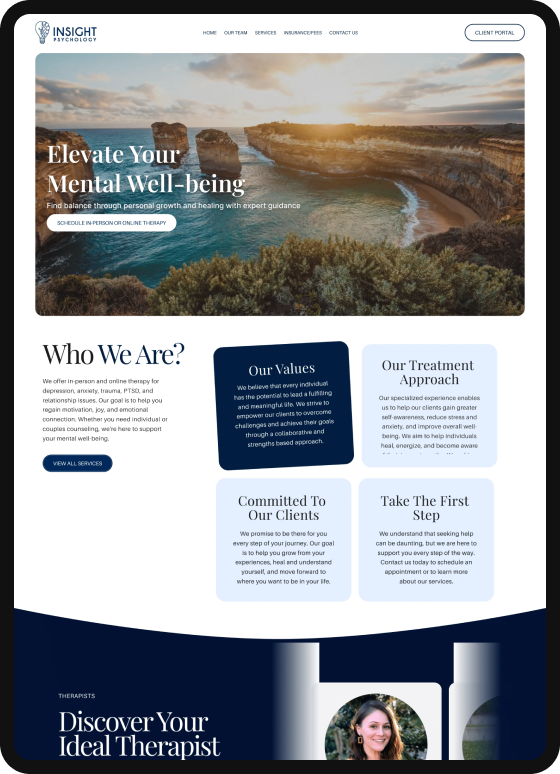
The design elements that attract therapy clients include calming color palettes, intuitive navigation, and professional imagery. These elements create a welcoming atmosphere, fostering trust and engagement, which are essential for clients seeking therapy services.
How to optimize my therapy website for SEO?
Optimizing your therapy website for SEO involves incorporating relevant keywords, creating high-quality content, ensuring mobile-friendliness, and improving site speed. Additionally, utilize local SEO strategies to attract clients in your area.
What colors are calming for therapy websites?
Calming colors for therapy websites include soft blues, gentle greens, and warm neutrals. These hues evoke a sense of tranquility and safety, creating a welcoming atmosphere that enhances client comfort and engagement.
How can I improve my websites loading speed?
Improving your website's loading speed involves optimizing images, minimizing HTTP requests, leveraging browser caching, and utilizing content delivery networks (CDNs). These strategies enhance user experience and can positively impact your site's search engine ranking.
What content engages wellness clients effectively?
Engaging wellness clients effectively involves creating informative and empathetic content that resonates with their needs. This includes blog posts, videos, and testimonials that highlight your services, share wellness tips, and foster a sense of community and trust.
How to create a user-friendly navigation menu?
Creating a user-friendly navigation menu involves organizing links logically, using clear labels, and ensuring it is easily accessible on all devices. Prioritize simplicity to enhance user experience and guide visitors effectively through your website.
What images resonate with therapy practice visitors?
Images that resonate with therapy practice visitors often include serene landscapes, calming nature scenes, and warm, inviting spaces. These visuals evoke feelings of safety and tranquility, essential for fostering trust and connection in a therapeutic environment.
How to incorporate client testimonials on my site?
Incorporating client testimonials on your site involves strategically placing them on your homepage, service pages, or a dedicated testimonials section to build credibility. Use visually appealing formats, such as quotes or video clips, to enhance engagement.
What is the best layout for a therapy website?
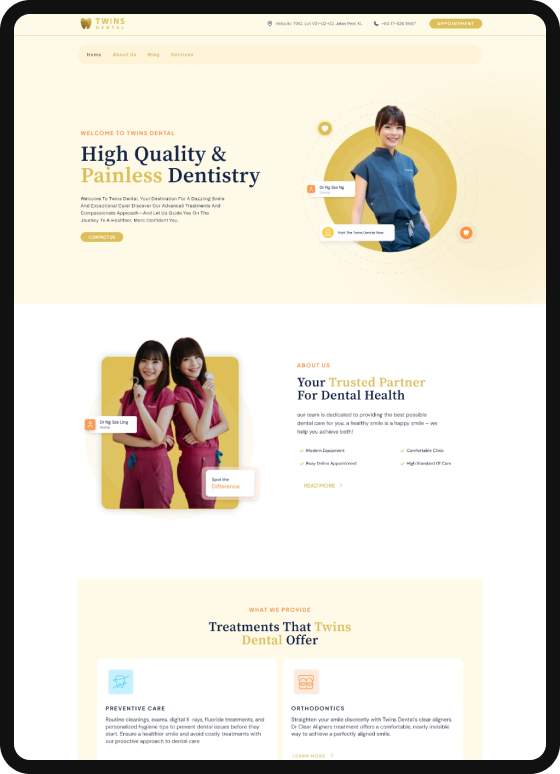
The best layout for a therapy website is one that is simple, calming, and user-friendly, featuring clear navigation, an inviting homepage, and dedicated sections for services, therapist bios, and contact information to foster trust and engagement.
How can I ensure my website is mobile-friendly?
Ensuring your website is mobile-friendly involves using responsive design, optimizing images, and testing functionality across various devices. This approach enhances user experience and improves accessibility for clients seeking your therapy services.
What privacy policies should my therapy site include?
The privacy policies your therapy site should include are: a clear explanation of data collection practices, how client information is used, measures taken to protect privacy, and options for clients to access or delete their data.
How to highlight my qualifications on my website?
Highlighting your qualifications on your website involves showcasing your credentials, certifications, and relevant experience prominently. Use dedicated sections, such as an "About Me" page or a qualifications sidebar, to effectively communicate your expertise to potential clients.
What call-to-action phrases work best for therapists?
Effective call-to-action phrases for therapists include "Schedule a Free Consultation," "Book Your Session Today," and "Start Your Healing Journey." These phrases encourage potential clients to take the next step towards seeking support and building a therapeutic relationship.
How to integrate booking systems into my website?
Integrating booking systems into your website involves selecting a suitable booking platform, obtaining the necessary code or plugin, and embedding it into your site. This process enhances client scheduling and streamlines your practice’s operations.
What should be included in my homepage content?
The essential elements to include in your homepage content are a clear introduction to your services, a brief overview of your approach, testimonials for credibility, and a strong call to action that encourages visitors to explore further or contact you.
How to use social media links effectively?
Using social media links effectively involves integrating them seamlessly into your website, ensuring they are visible and accessible. Prioritize platforms where your audience engages most, and encourage visitors to connect by showcasing your social presence prominently.
What are essential pages for a therapy website?
Essential pages for a therapy website include a homepage, services page, about page, contact page, and blog. These pages help convey your expertise, establish trust, and facilitate client engagement, enhancing your online presence effectively.
How can I showcase my therapy approach online?
Showcasing your therapy approach online involves creating a professional website that highlights your methods, philosophy, and services. Utilize engaging content, visuals, and testimonials to effectively communicate your unique therapeutic style and connect with potential clients.
What plugins enhance functionality for therapy websites?
Plugins that enhance functionality for therapy websites include appointment scheduling tools, secure client communication systems, and payment processing solutions. These plugins help streamline operations, improve client engagement, and ensure confidentiality in therapy practices.
How to create engaging blog content for wellness?
Creating engaging blog content for wellness involves sharing valuable insights, personal experiences, and practical tips that resonate with your audience. Use a conversational tone, incorporate storytelling, and include visuals to enhance engagement and foster connection.
What is the role of branding in web design?
The role of branding in web design is to create a cohesive identity that reflects the values and services of a business. Effective branding enhances user experience, builds trust, and fosters client engagement, ultimately making a website more memorable and impactful.
How to use video content on my therapy site?
Using video content on your therapy site can enhance engagement and build trust. Consider incorporating introductory videos about your services, client testimonials, or educational content that addresses common concerns in therapy.
What security measures should I implement for my site?
The security measures you should implement for your site include using HTTPS, regularly updating software, employing strong passwords, utilizing firewalls, and implementing regular backups to protect against data breaches and ensure client information remains secure.
How to analyze website traffic for improvements?
Analyzing website traffic for improvements involves using tools like Google Analytics to track visitor behavior, identify high-performing pages, and assess user engagement. This data helps pinpoint areas for enhancement, ultimately boosting your site's effectiveness.
What are common mistakes in therapy website design?
Common mistakes in therapy website design include cluttered layouts, lack of clear navigation, insufficient information about services, and neglecting mobile optimization, which can hinder user experience and trust.