
Your website is often the first contact a potential client has with your practice. Thoughtful design does more than look professional — it helps people feel safe, find information, and take the next step. This article walks through the most effective web design strategies for therapist sites: design basics, SEO best practices, conversion-focused features, and content approaches that attract and support clients. You’ll learn why visual tone, mobile responsiveness, smart SEO, and clear conversion paths matter — and how they work together to turn visitors into inquiries and long-term clients.
At Therapeia Web Design, we specialize exclusively in crafting professional, conversion-focused websites for therapists, psychologists, and wellness practitioners. With years of dedicated experience in the mental health sector, our strategies are not just theoretical; they are proven to attract more qualified inquiries and foster sustainable growth for private practices. We don’t just build websites; we empower practitioners with comprehensive solutions, from cutting-edge design and robust SEO to ongoing website optimization and marketing education, ensuring your online presence truly reflects your expertise and values.
Our deep understanding of the unique needs and ethical considerations of private practices allows us to create digital platforms that are not only aesthetically pleasing but also highly effective in building trust and connecting you with the clients who need you most.
Strong therapist websites follow a few core design principles that improve usability and build trust. Priorities include a calming visual style, mobile-first responsiveness, and intuitive navigation. When these elements are in place, visitors feel comfortable exploring your services and reaching out.
A calm, professional visual approach influences how visitors perceive your practice. Gentle color palettes (muted blues, soft greens, warm neutrals) and uncluttered layouts reduce cognitive load and help people focus on the content. Clear spacing and readable type create a sense of order and safety, which makes prospective clients more likely to connect.
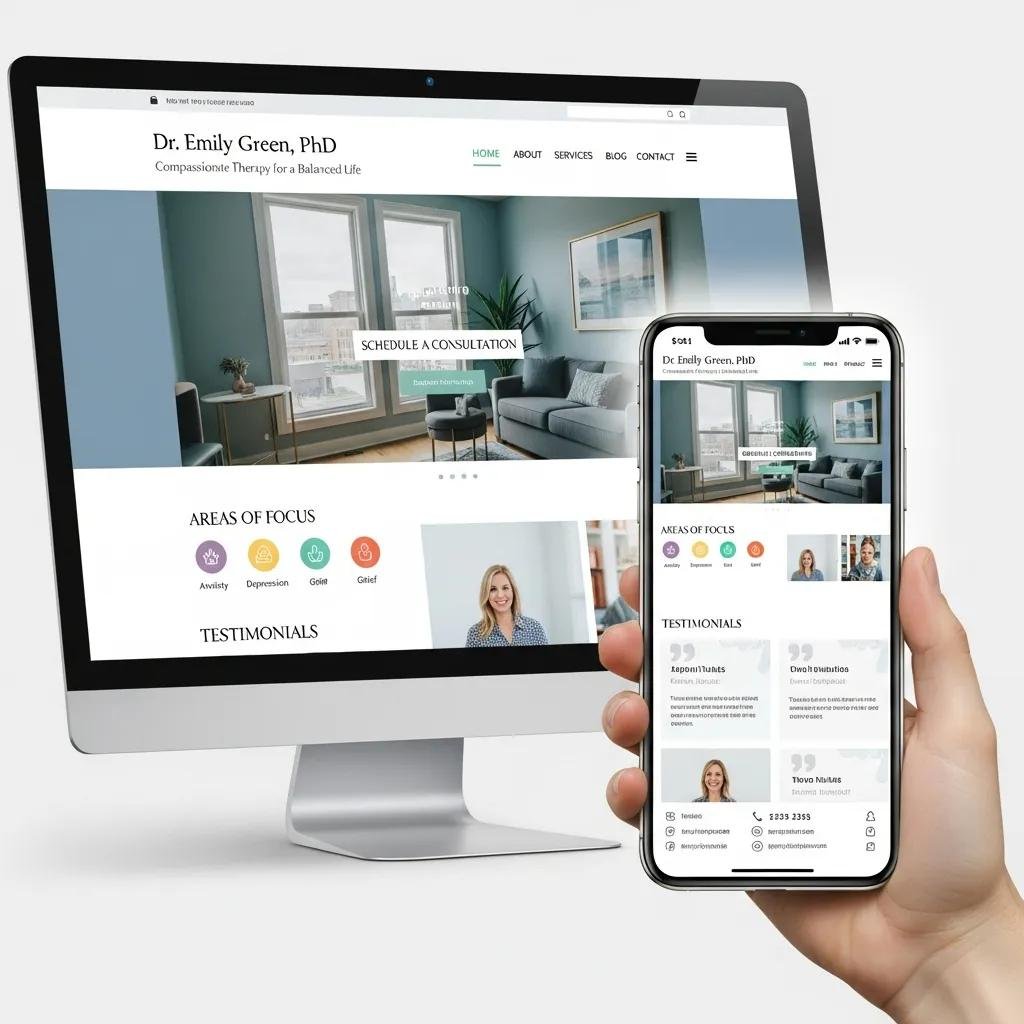
Most people search and book services from their phones — often when they’re already stressed or in need of help. With over 60% of traffic coming from mobile devices, your site must adapt smoothly to different screens. A responsive design ensures visitors can read your pages, find contact details, and complete forms whether they’re on a phone, tablet, or desktop — increasing engagement and appointment requests.
Search Engine Optimization helps your practice appear where clients are searching. By applying targeted SEO tactics, you improve rankings and make it easier for local, motivated clients to find you.
Focus on relevant, intent-driven keywords — especially long-tail phrases like “therapist near me” or “cognitive behavioral therapy in [city].” These terms match real search behavior and attract people actively seeking services. Layer in location-based keywords to connect with nearby clients and capture local search traffic.
Local SEO done right increases visibility to people who are ready to book. Keep your Google Business Profile accurate, maintain consistent local citations, and encourage genuine client reviews. Positive testimonials and up-to-date local listings build credibility and help your practice appear in local search results.
To convert visitors into clients, include features that guide action and remove friction. High-impact elements are clear calls to action, online booking, and visible client feedback. These features make it easier for people to say yes to care.
Direct, specific calls to action (for example, “Schedule a Free Consultation” or “Contact Us Today“) tell visitors exactly what to do next. Adding an online booking system removes the hassle of back-and-forth scheduling, making it simple for clients to secure an appointment — which raises completion rates.
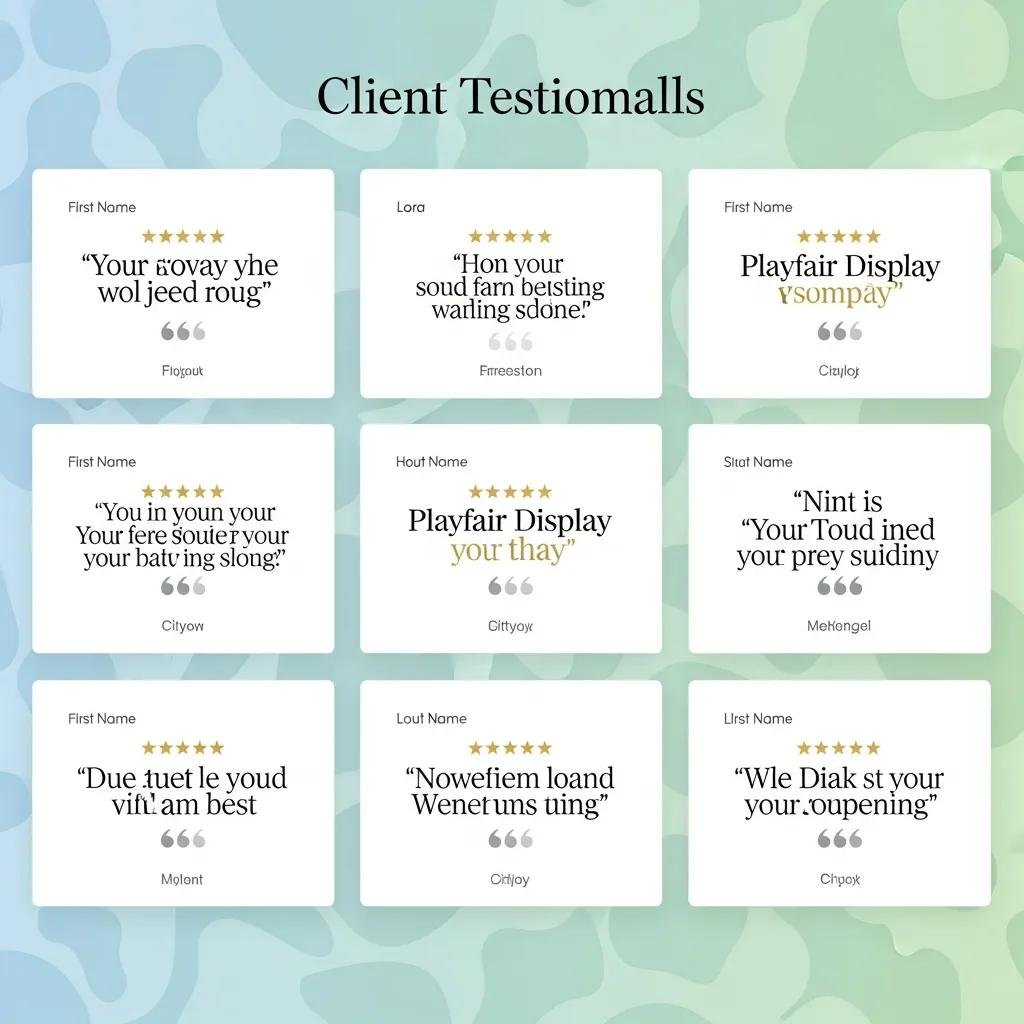
Client testimonials act as social proof, showing real outcomes and helping visitors imagine their own success. Prominently displayed reviews build confidence. Equally important: ensure contact forms and client portals are HIPAA-compliant and secure. Protecting privacy is fundamental to ethical practice and reinforces trust.
Your site can do more than book sessions — it can host products and programs that earn revenue while you sleep. Digital offerings extend your reach and support clients between sessions.
E-books, guided audio, worksheets, and structured online courses let clients access help on their own schedule. These products diversify income, scale your impact, and position you as a resource and authority in your specialty.
Membership areas provide ongoing value through exclusive content, live workshops, or peer support groups. Secure, members-only access encourages repeat engagement and predictable revenue, while building a supportive community around your practice.
Keeping your site updated and secure protects clients and preserves your professional reputation. Regular maintenance and strong security practices are non-negotiable.
Routine upkeep—fixing broken links, refreshing content, and verifying integrations—keeps your site functioning and trustworthy. Well-maintained sites offer better user experiences and often rank higher in search engines, which supports sustainable growth.
Implement SSL, choose secure hosting, run regular security audits, and use HIPAA-ready tools for forms and client portals. Prioritizing data protection demonstrates professionalism and safeguards sensitive client information.
Content that informs, reassures, and answers real client questions strengthens SEO and builds rapport. A consistent, client-centered content plan attracts the right visitors and supports engagement.
Helpful formats include clear blog posts, short videos, downloadable guides, and how-to articles addressing common concerns — for example, coping strategies, self-care routines, and explanations of therapy approaches. Useful content positions you as a trusted guide.
Regular blog posts draw organic traffic and give search engines fresh signals. Well-crafted FAQs answer common concerns quickly, reduce friction, and keep visitors on the site longer — all of which improve search performance and help people get the information they need.
| Feature | What it does | Conversion benefit |
|---|---|---|
| Clear Calls to Action | Direct prompts that guide next steps | Increases appointment inquiries |
| Online Booking Systems | Makes scheduling fast and simple | Reduces friction at booking |
| Client Testimonials | Real feedback that demonstrates outcomes | Builds credibility and trust |
A successful site combines a calming design, mobile responsiveness, clear navigation, and obvious calls to action. It also highlights client testimonials, offers easy booking, and provides helpful educational content. Together these elements create a welcoming space that encourages visitors to reach out.
Follow WCAG best practices: use descriptive alt text, ensure sufficient color contrast, provide text alternatives for non-text content, and support keyboard navigation and screen readers. Regular accessibility testing helps catch issues and keeps the site inclusive.
Social links let you share updates, resources, and community content that deepen engagement. Use them to amplify educational material and build connection, while keeping boundaries and privacy in mind.
Use analytics tools like Google Analytics to track page views, bounce rates, time on page, and conversion events (contact form submissions, bookings). Those metrics show what’s working and where to focus improvements.
Video adds warmth and clarity: it introduces you, explains your approach, and offers short educational pieces. Videos can increase time on site, build rapport, and improve SEO when captioned and optimized for search.
Aim for regular updates — at least monthly – to keep content fresh and relevant. Add new blog posts, update service pages, and rotate testimonials. Consistent updates show activity and help with search visibility.
Thoughtful web design is a practical investment for private practices. By prioritizing a calm aesthetic, mobile responsiveness, SEO, and conversion-focused features, therapists can create sites that feel welcoming and perform well — driving more inquiries and long-term client relationships. Learn how our tailored design solutions can help you grow your practice with clarity and care.